

Digital Real Estate Marketing 2026:
Digital Real Estate Marketing 2026: Strategies for Developers and Project Developers A property developer in Leipzig once told me his
Architectural Visualisation & Property Marketing | Perspective One

Last year, a project manager from Cologne sent us a briefing consisting of exactly three sentences: “modern residential project, friendly atmosphere, please deliver quickly.” Six revision rounds later, we finally had an image that matched his expectations – expectations he could have communicated more clearly from the outset. A good briefing often has a greater impact on project success than the technical execution itself, and anyone working with an architectural visualization agency should not underestimate this crucial first step.
This article explains what information a briefing actually needs in order to set the project on the right course from the very beginning.
Every unclear detail in a briefing leads to a follow-up question later, and every follow-up question delays the entire process by days, sometimes even weeks. It may sound obvious, but in practice this is surprisingly often underestimated.
No matter how experienced a studio may be, it cannot guess information it simply does not have. Missing details inevitably lead to assumptions, and assumptions rarely match exactly what the client actually had in mind.
Certain information forms the essential foundation of every project, regardless of its size or complexity.
If any of these essentials are missing, the project begins with uncertainty that is difficult to fully resolve later.
Materials and finishes are among the details that are often given too little attention in a briefing, even though they have a major influence on the appearance of a rendering.
Without this information, the studio inevitably has to make its own decisions. These may be plausible, but they will rarely correspond exactly to the final construction specifications.
Certain technical information directly helps make the production process more efficient. Providing these details from the outset significantly reduces the number of follow-up questions later in the 3D architectural visualization process.
Technical details that should be clarified early on:
The more precisely these technical parameters are defined from the beginning, the fewer surprises will arise during the final coordination round.
Larger developments involving several buildings or construction phases require a much more detailed briefing than a single building. In property development visualization, the quality of the information provided in advance often determines how smoothly the entire project progresses.
Additional points that are particularly relevant include:
A studio that understands these relationships from the outset can create images that are not only technically accurate but also genuinely support the overall marketing strategy.
Reference images are extremely helpful, provided they are selected carefully and accompanied by clear comments.
A studio cannot know whether a reference was provided because of its composition or its color palette. A short explanation in the briefing can save an entire round of discussion.
Revision rounds are part of the process, but they should be clearly defined from the outset rather than becoming a source of discussion later.
Clarifying these points before the project begins prevents exactly the kind of endless revision loops that cost both sides time and patience.
Before the next project starts, it is worth checking the following points.
A briefing that covers these points can noticeably shorten production time while also reducing frustration on both sides throughout the process.
A well-prepared briefing requires some time at the beginning, but ultimately saves considerably more – both in weeks of production time and in actual costs caused by unnecessary revisions. Clear information from the outset enables any studio to work more accurately and efficiently instead of constantly moving back and forth between assumptions and follow-up questions.
At Perspective One, we place great importance on developing a solid briefing together with our clients so that the result is as close as possible to the intended vision from the very beginning.
Your Briefing for the Visualization Agency: A Checklist for Fewer Revision Rounds Last year, a project manager from Cologne sent
Digital Real Estate Marketing 2026: Strategies for Developers and Project Developers A property developer in Leipzig once told me his
How high-quality architectural visualisation speeds up property sales The real estate market is more competitive than ever. Buyers have endless
From Empty Lot to Dream Home: Storytelling for New Construction An empty lot tells no story. But a new construction
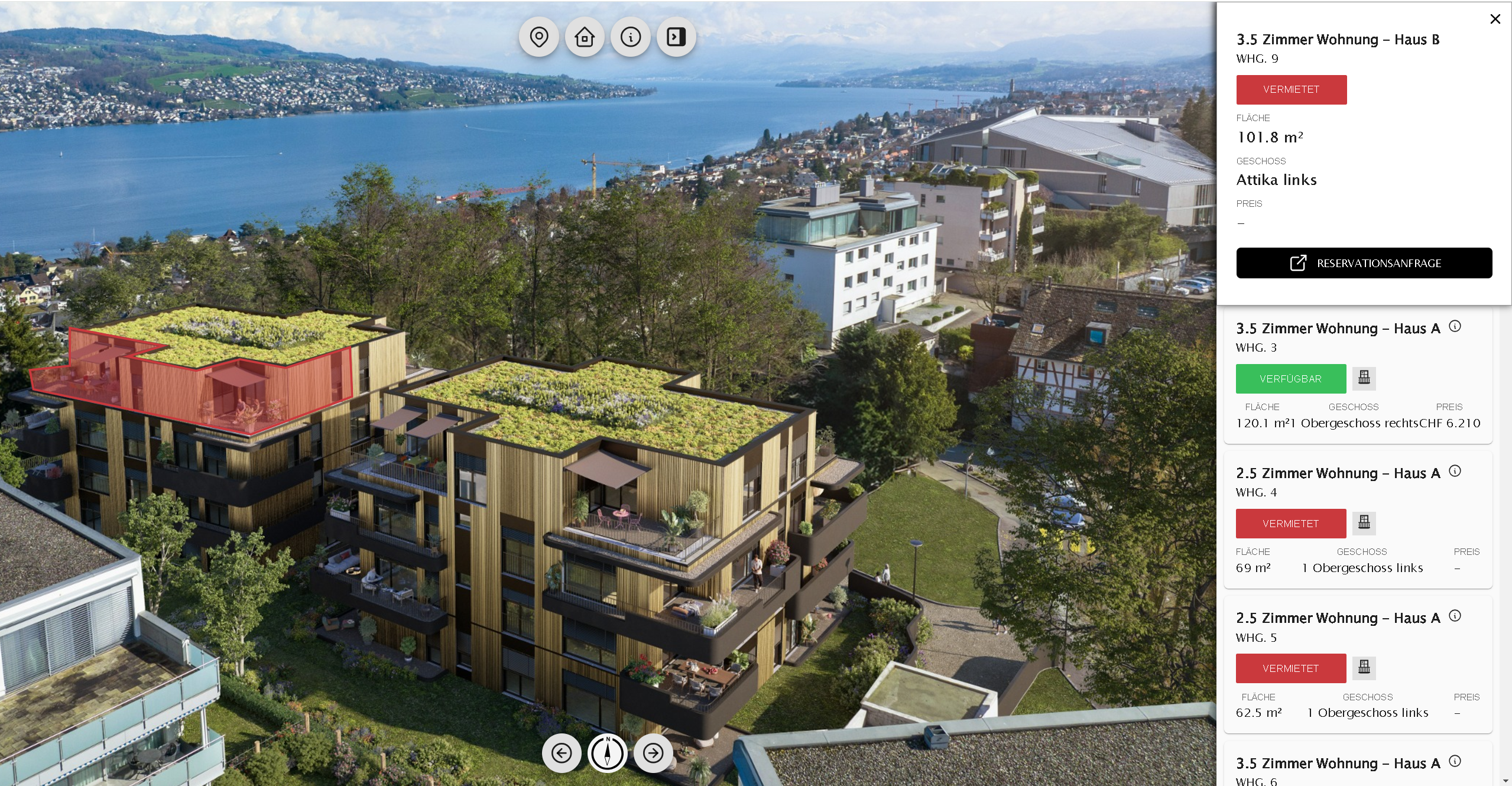
The Digital Showroom: Virtual Tools That Market Projects Before the First Brick Modern buyers do not shop on construction sites
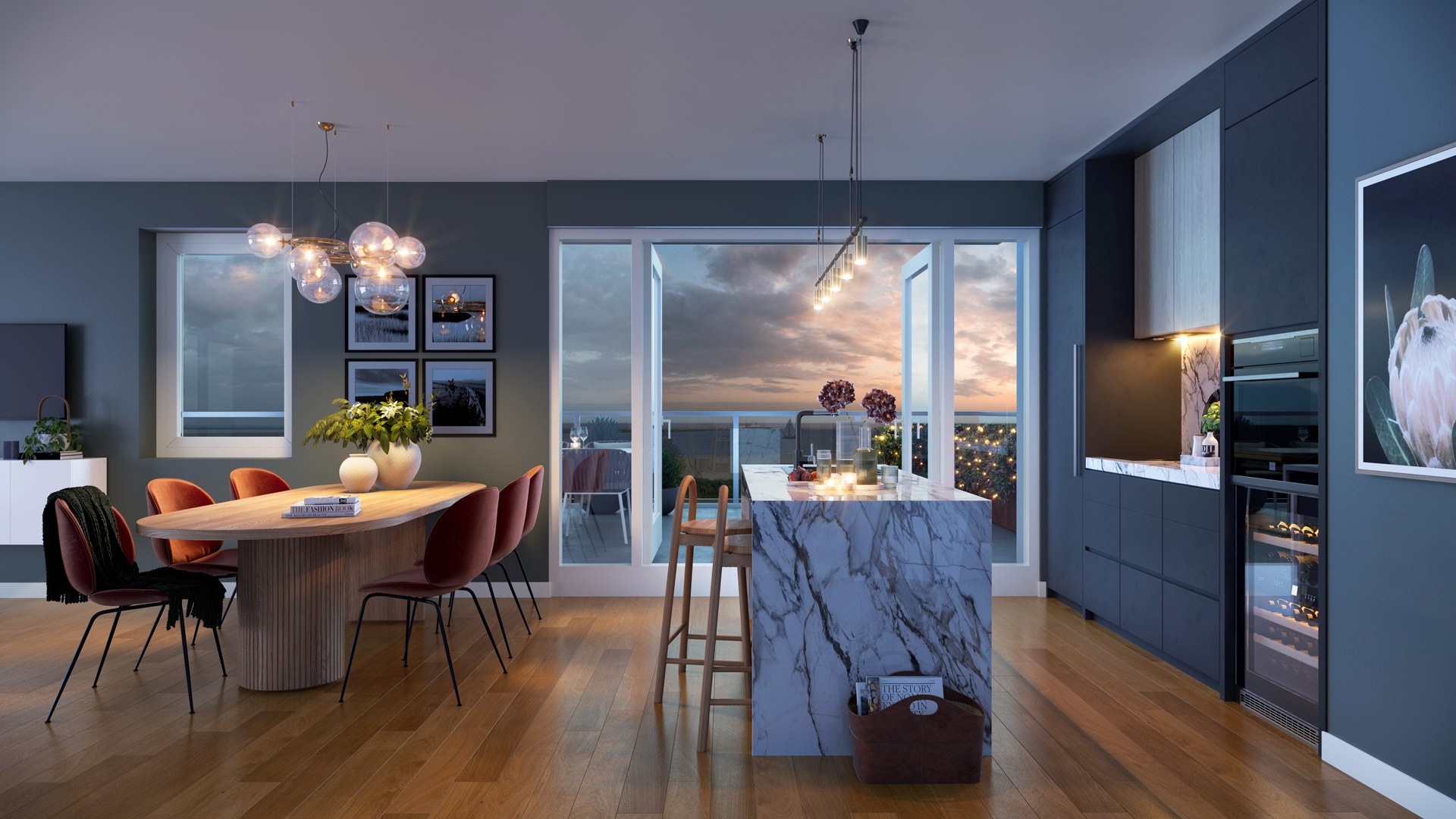
Interior visualisations as a decision-making aid: how property developers win over sceptical buyers Sceptical buyers are the hardest to convince.
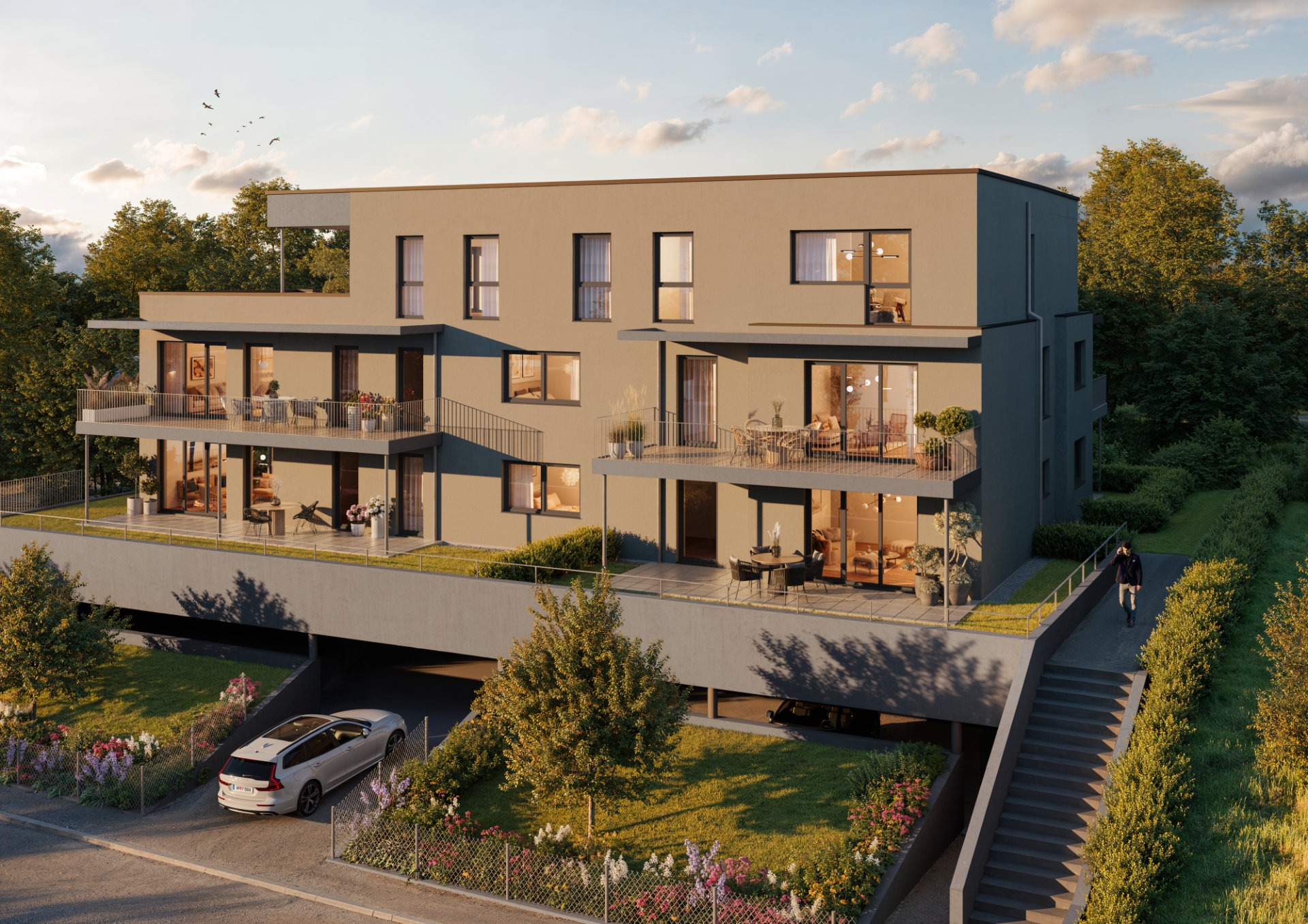
Graz Architectural Visualisation – Peterstalerstrasse in St Peter Prime location with just 10 residential units Exclusive property development project comprising
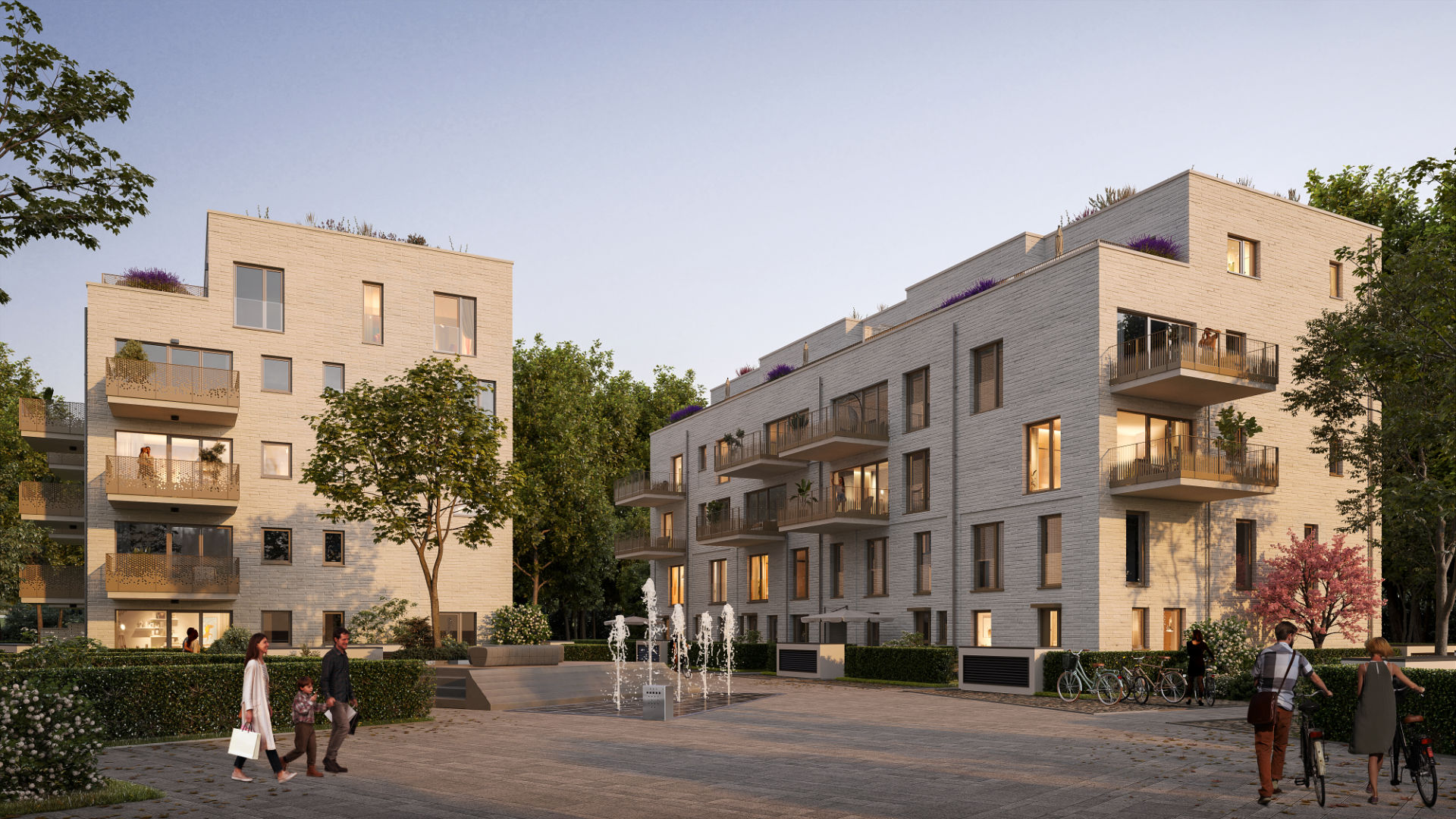
Architectural Visualisations Düsseldorf GOLDECK No. 1 GOLDECK No. 1 in Düsseldorf-Oberkassel is a residential development with a clear focus:For people

Material & Texture: The Power of Details in 3D Visualisations In architecture and design visualisation, it is often the small
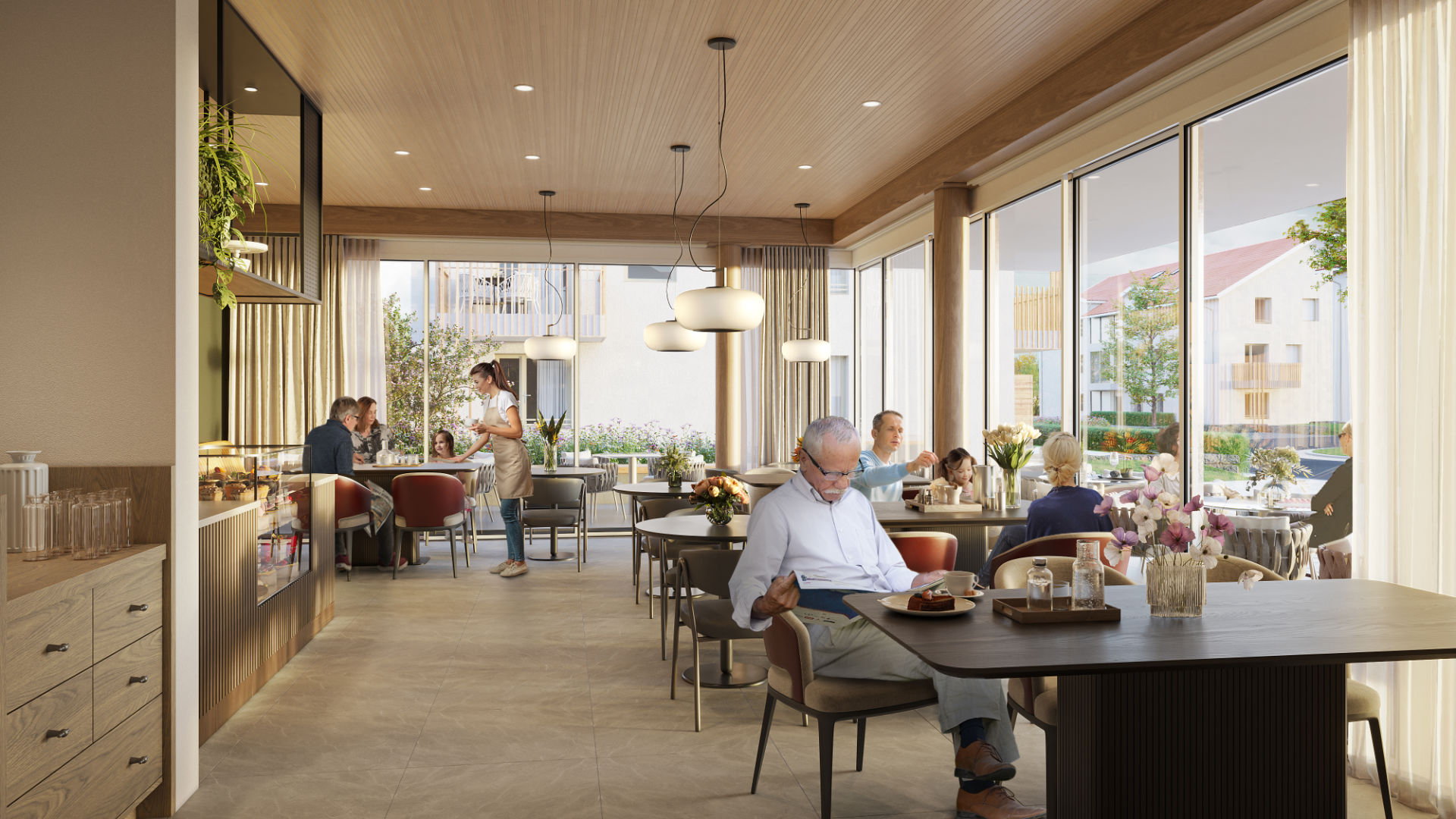
MAX-JOSEPH Ü60-Living at the park, Großkarolinenfeld Excellent architectural visualizations for the MAX-JOSEPH - Ü60-Wohnen am Park project The submission plan
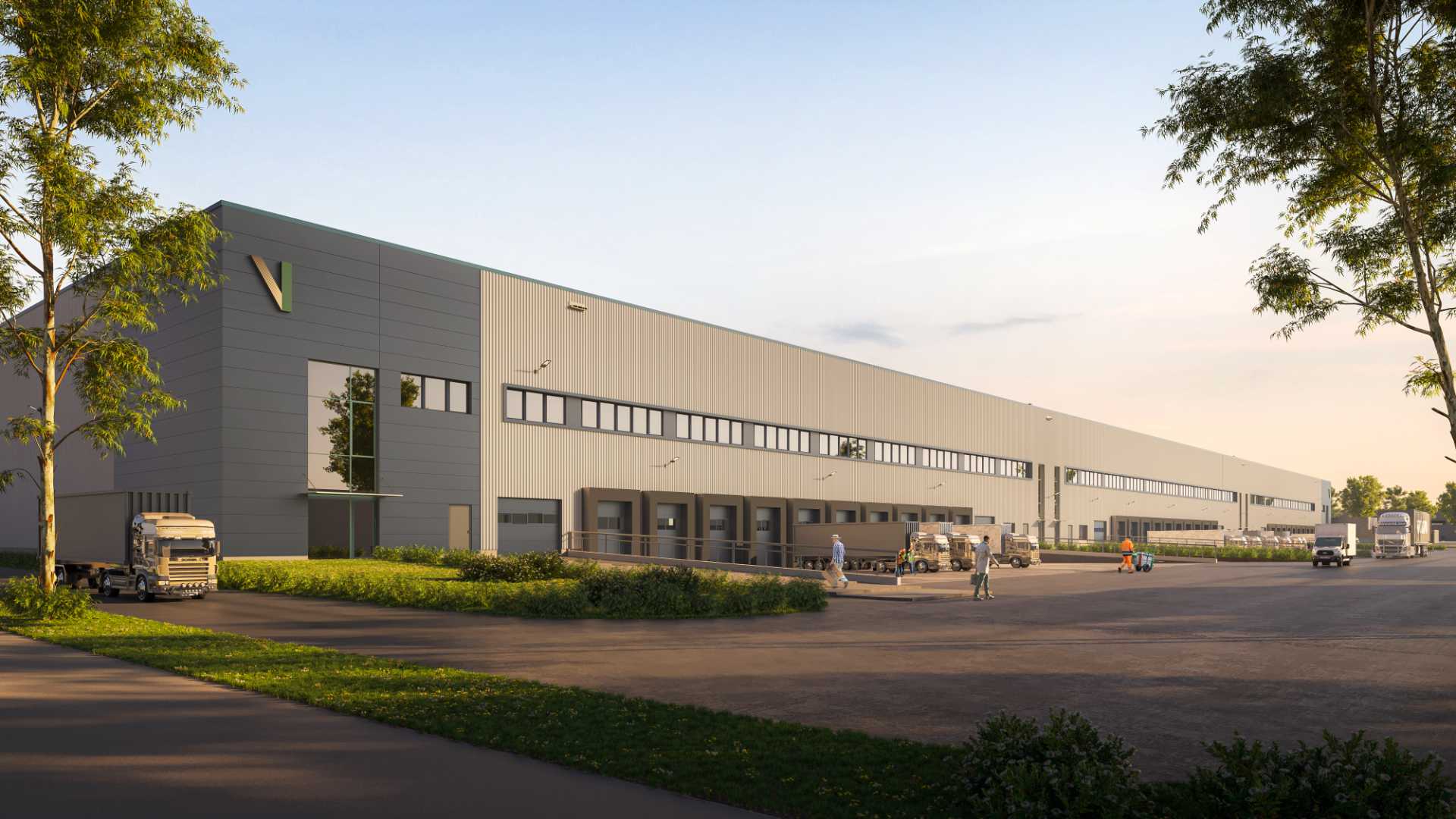
Excellent architectural visualizations for modern commercial properties Our visualizations take logistics halls, production facilities, and commercial buildings to a whole

Visualisation of restoration work on Otto von Guericke Straße in Magdeburg With great attention to detail, we created visualisations for
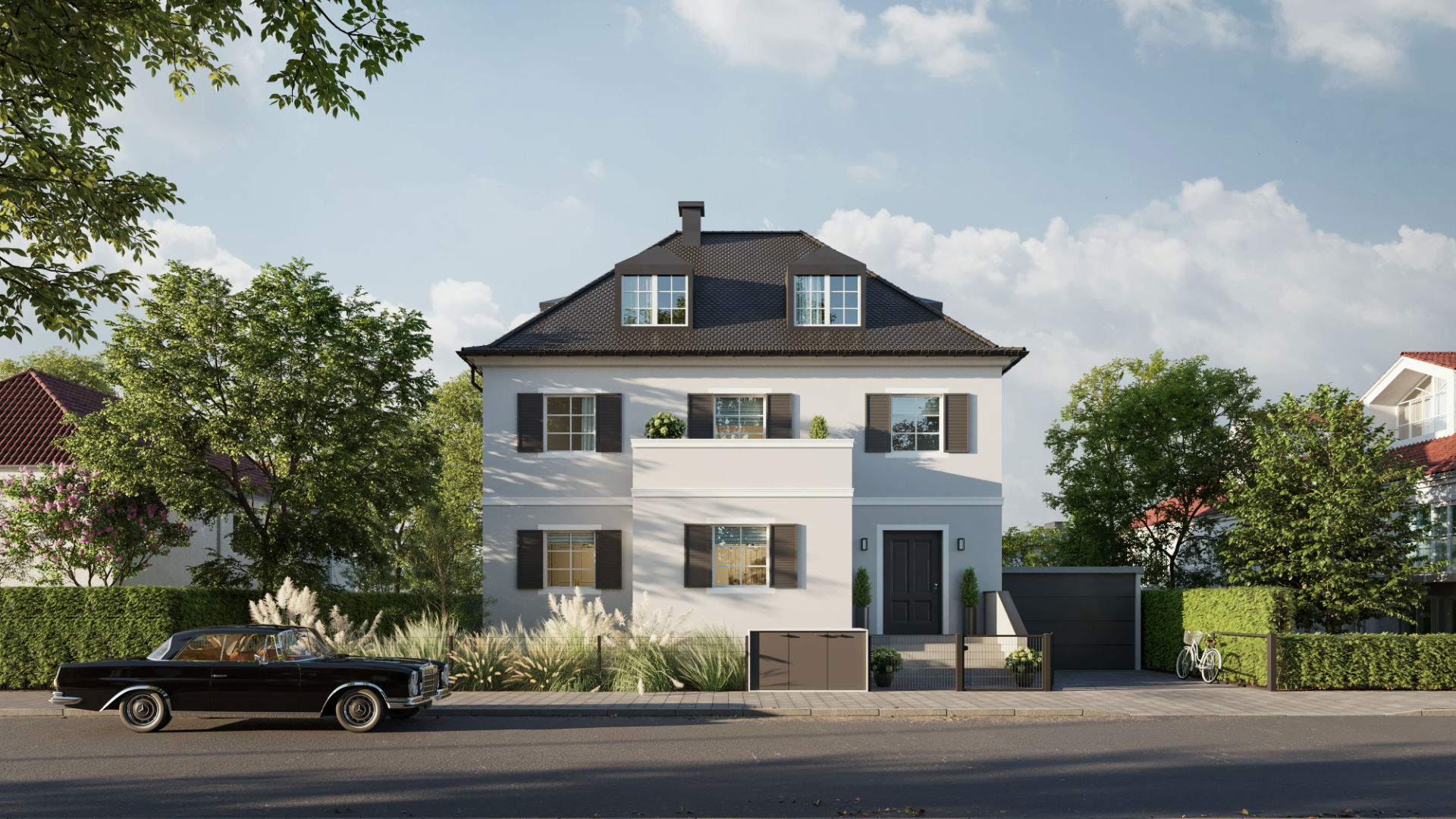
Visualization Villa Flotowstraße Munich Atmospheric architectural visualization - Villa Flotowstraße, Munich We created a particularly atmospheric and detailed architectural visualization

Verde Vista residential visualisation Verde Vista in Zoeterwoude: A visual journey into modern livingWe are delighted to present our latest

NAIO Campus – high-quality architectural visualization We had the great pleasure of creating breathtaking architectural visualisations for an exciting project:the
Cinemagraphs - Living room visualization with animation We have created a fascinating interior visualization with a subtle animation. This Cinema
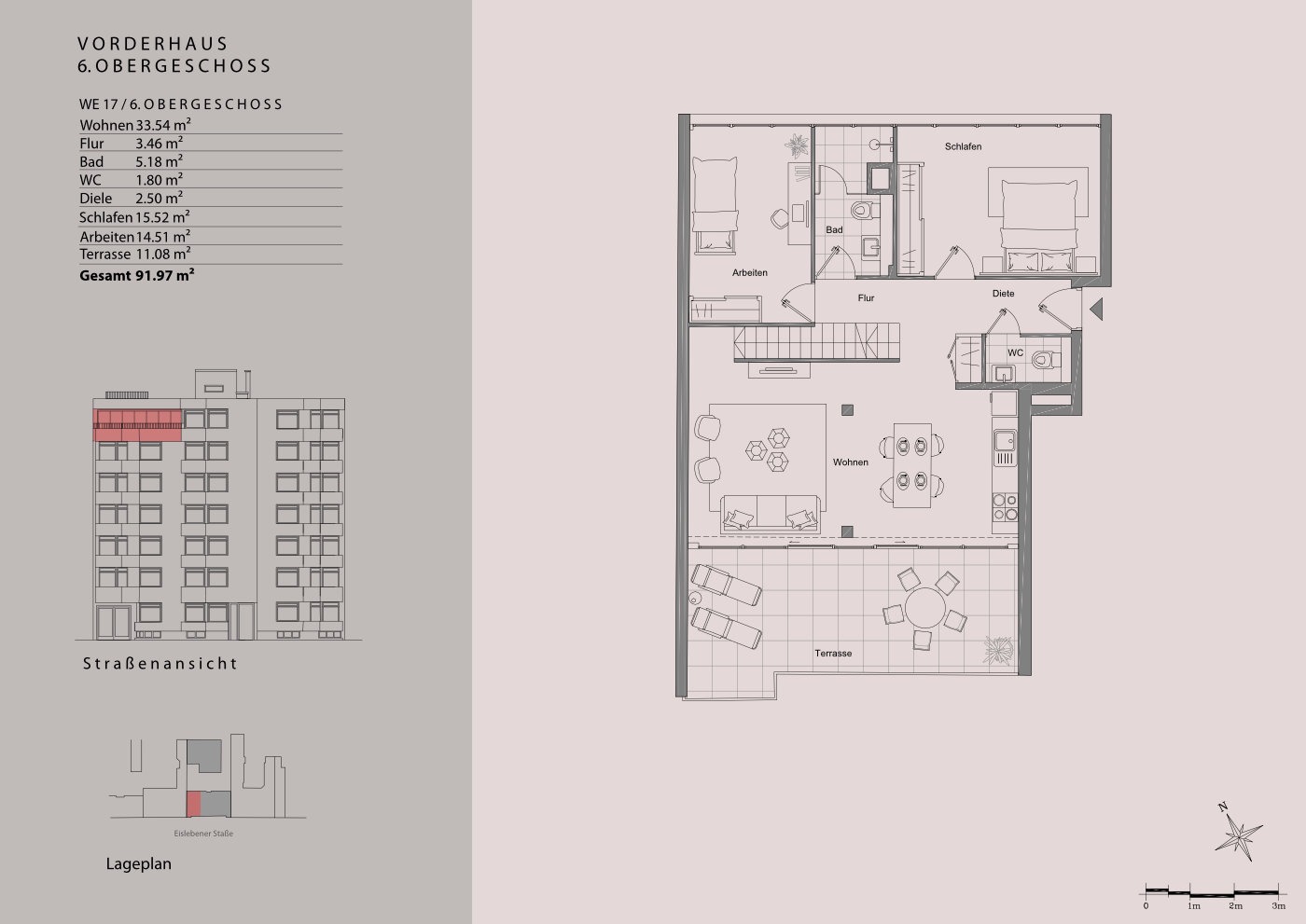
For a harmonious overall concept: tailor-made floor plans A new focus in our all-round service is the topic of "floor

Switzerland Architectural visualizations “SEVIDA” Seuzach, layout, architectural visualizations, virtual tour, exposé and webpage This summer, the new SEVIDA project will
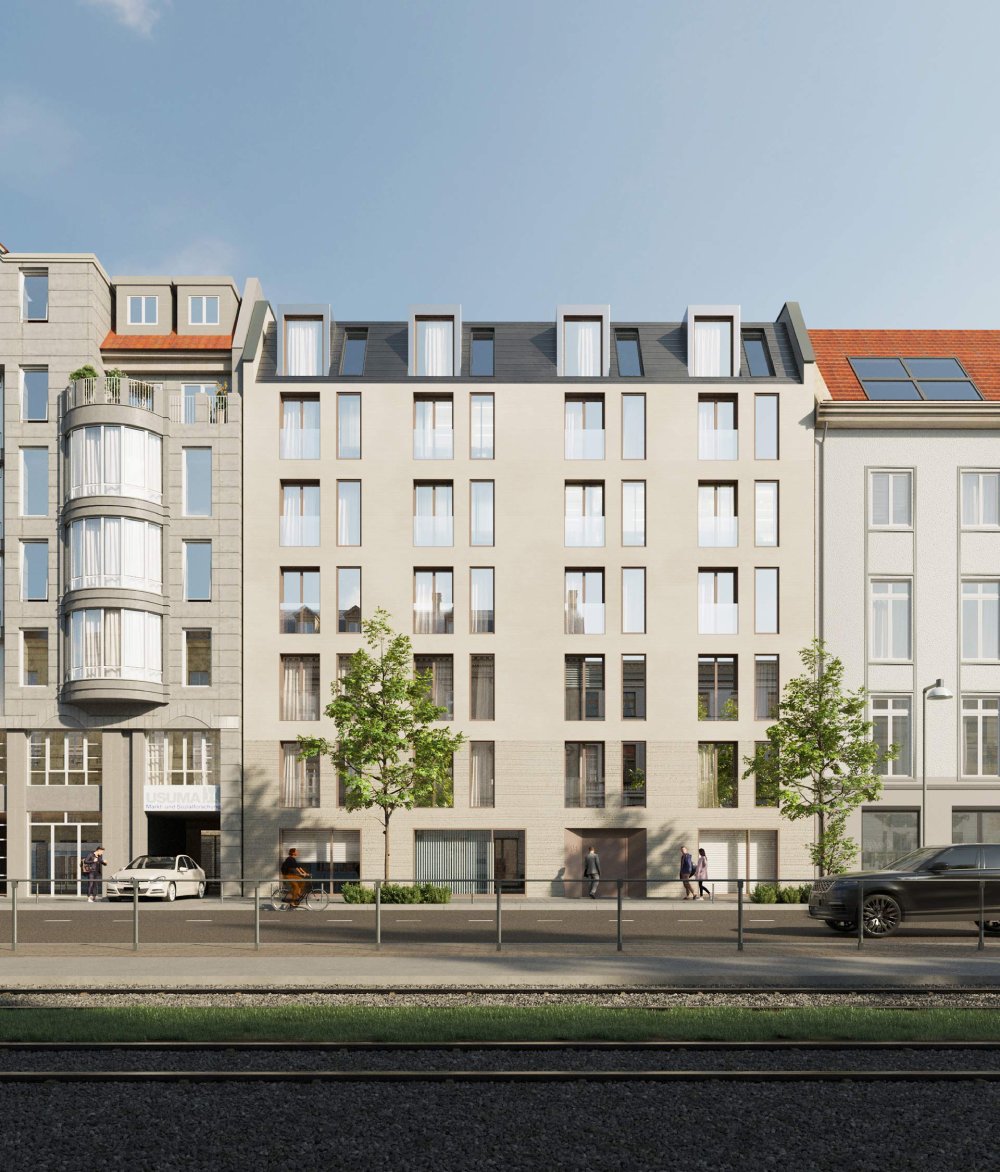
Berliner Allee Weissensee Architecture Visualization & Animation With enthusiasm and creativity, we took on the challenge of creating breathtaking exterior
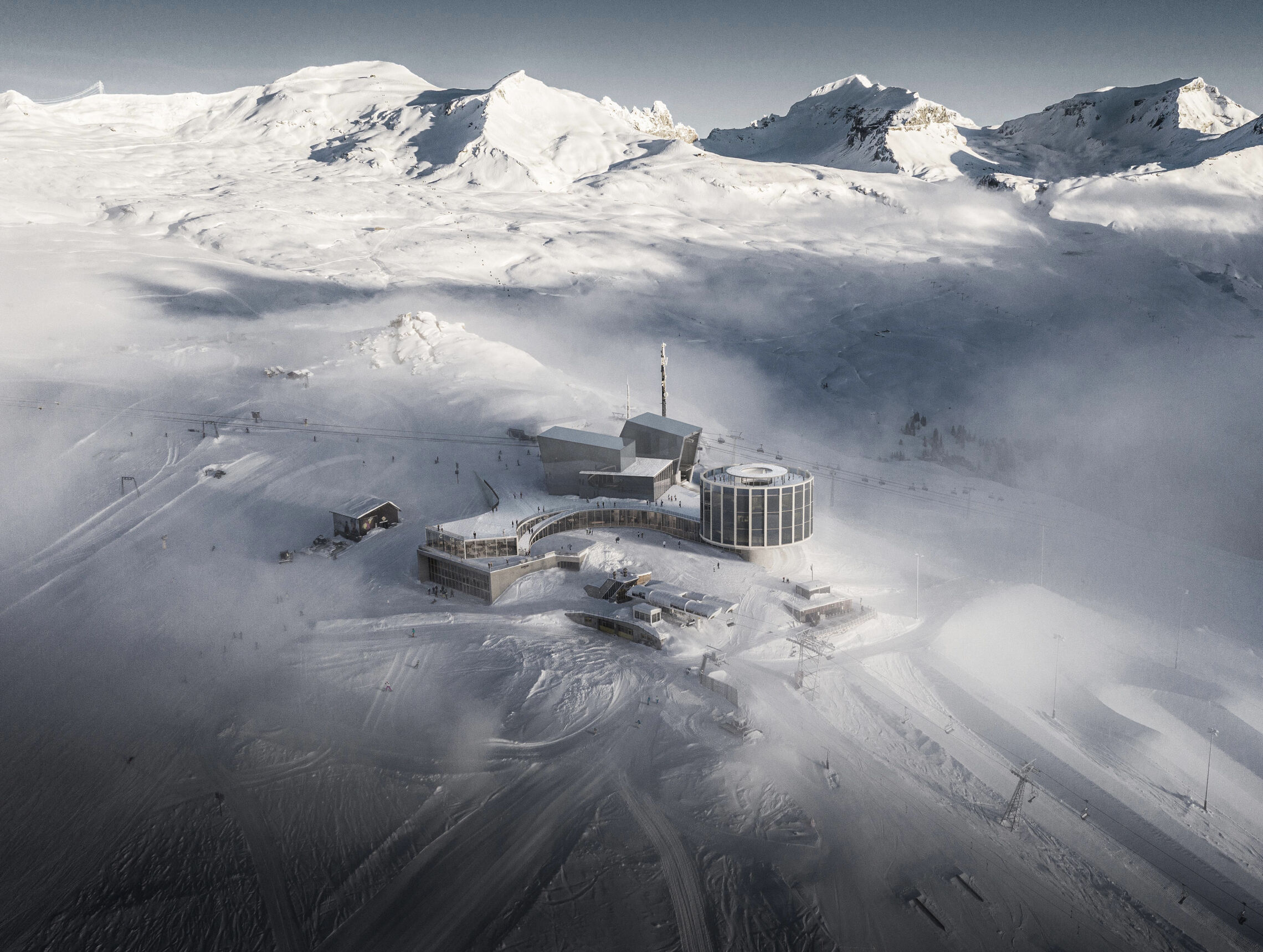
The CRAP SOGN GION MOUNTAIN STATION It is always absolutely fascinating to visualize a building with such impressive architecture.Even after
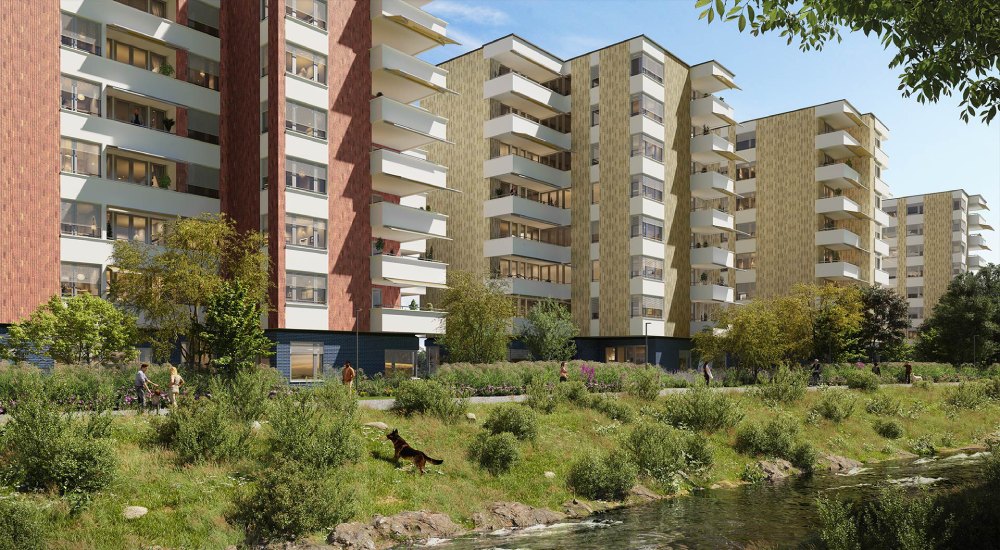
Architectural Visualization Zurich ZHIL Arrive between the lively city of Zurich and the glittering Sihl.From April, a further 157 rental
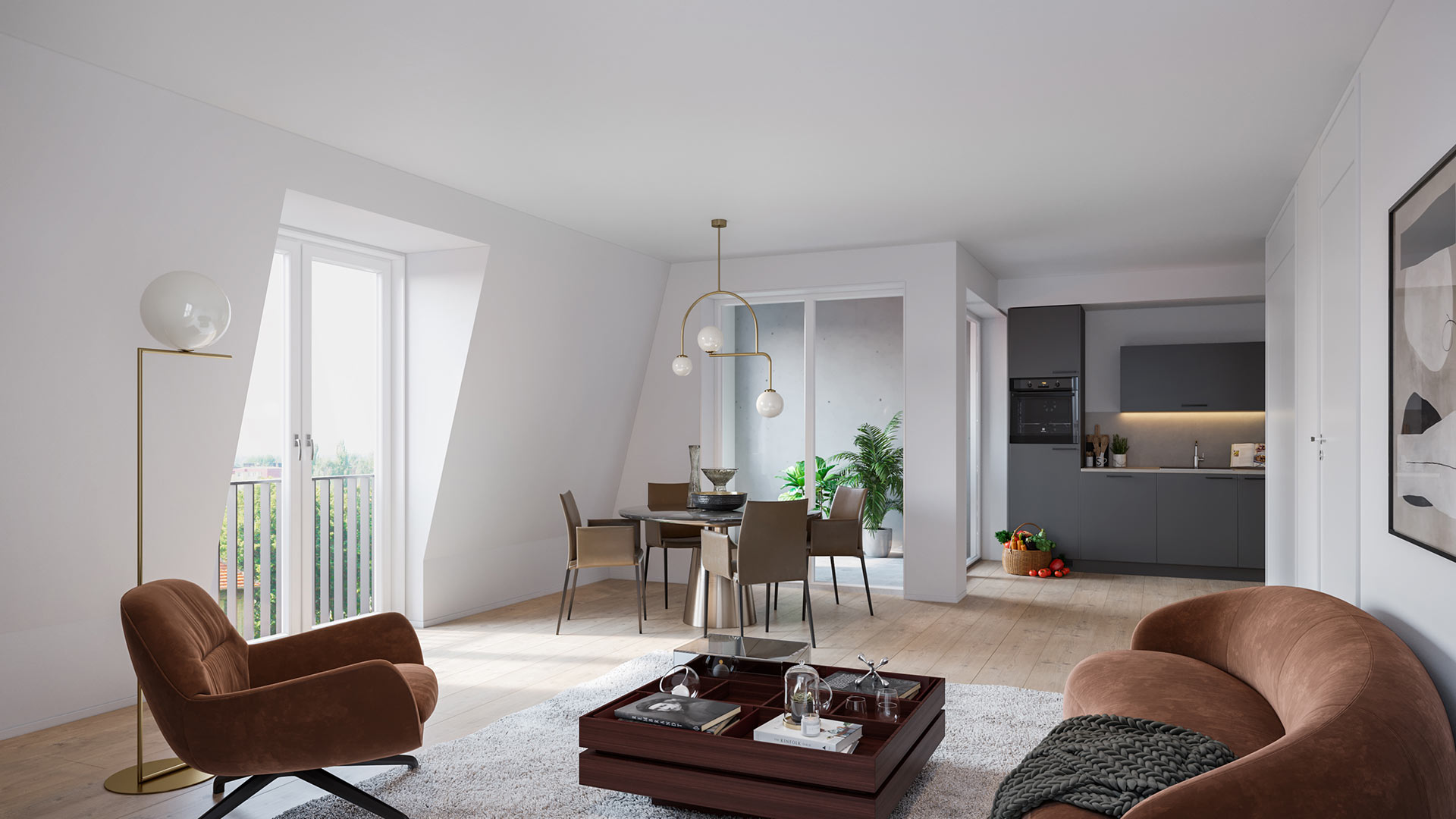
Middenduin-Zuiderloo housing project Our team at Perspective One was asked to create 4 exterior and 2 interior visualizations for the
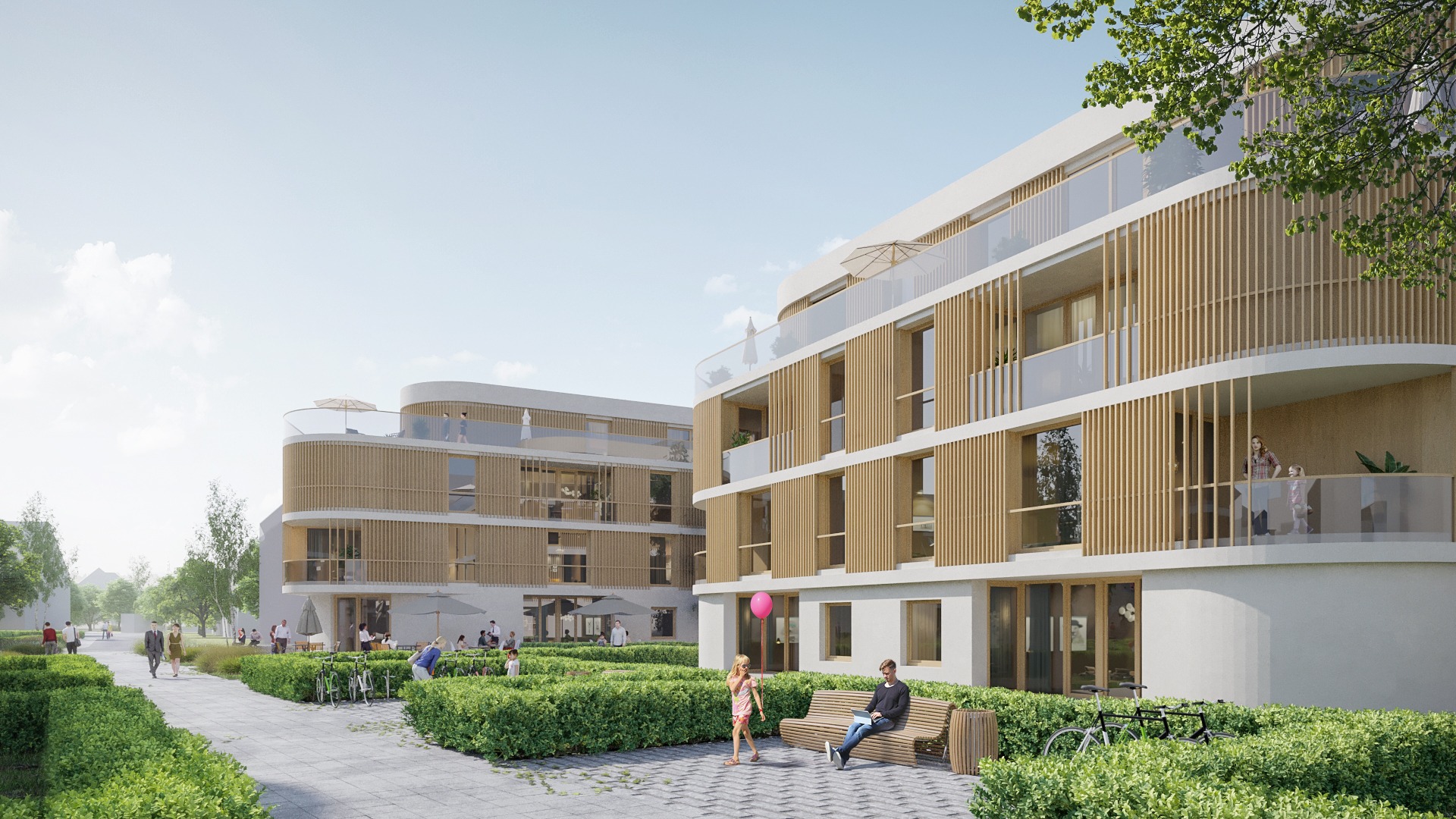
Hattingen Architecture Competition architectural visualizations, competition visualizations More News & Projects NAIO Campus Greifswald 12 Januar 2025 NAIO Campus –
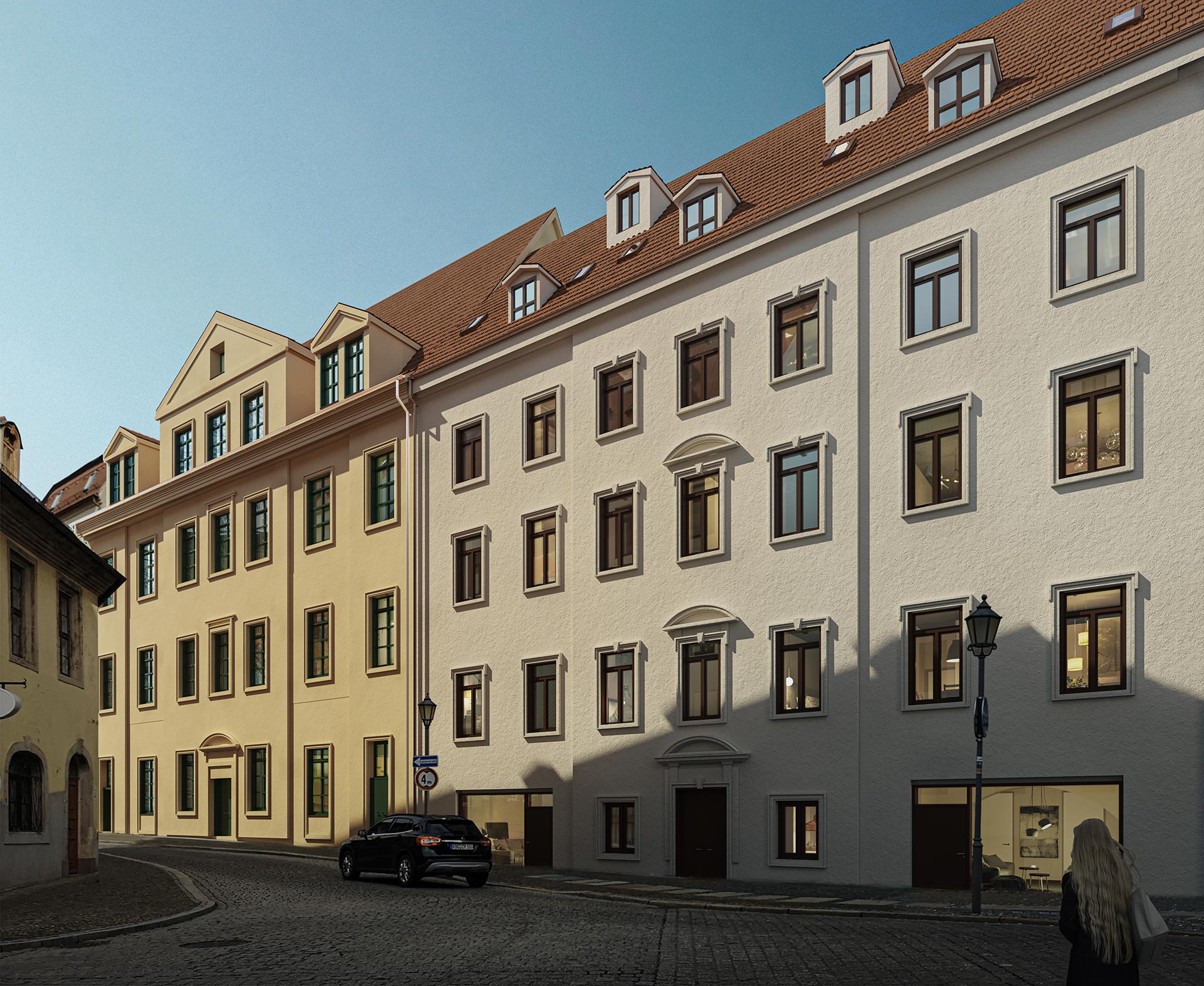
Altstadtvisualisierung Domstraße Merseburg Altstadtjuwel in der Domstrasse Merseburg In der Domstrasse Merseburg wurde ein besonderes Altstadtprojekt realisiert. Die anspruchsvolle Renovierung

Real estate presentation new building project Mattighofen The location of the very beautiful, small plot of land in Mattighofen, for
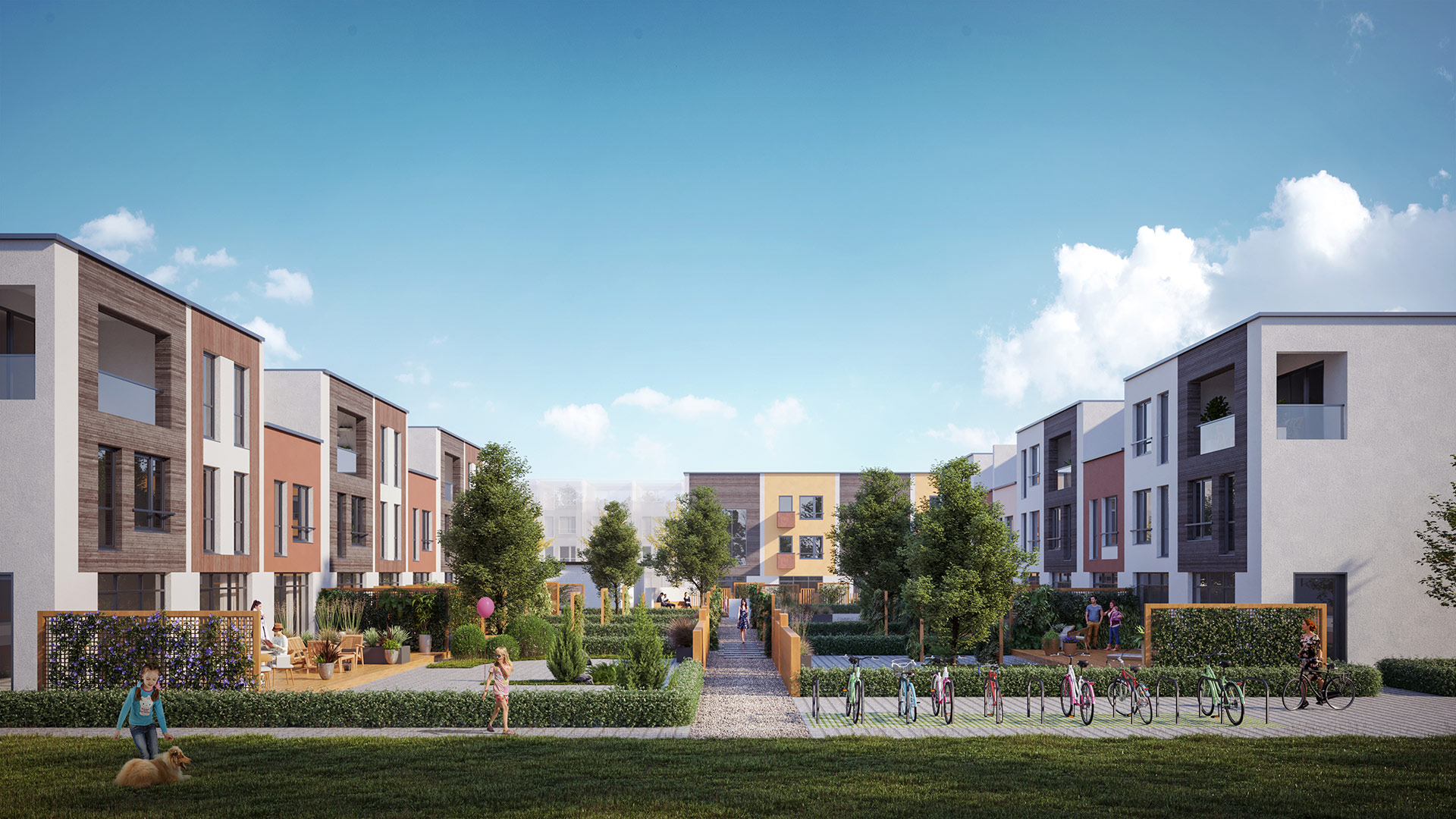
Paderborn Architecture Tender The Alanbrooke QuarterWe created a tender visualization for our client Grund Invest for the newly planned “Alanbrooke”
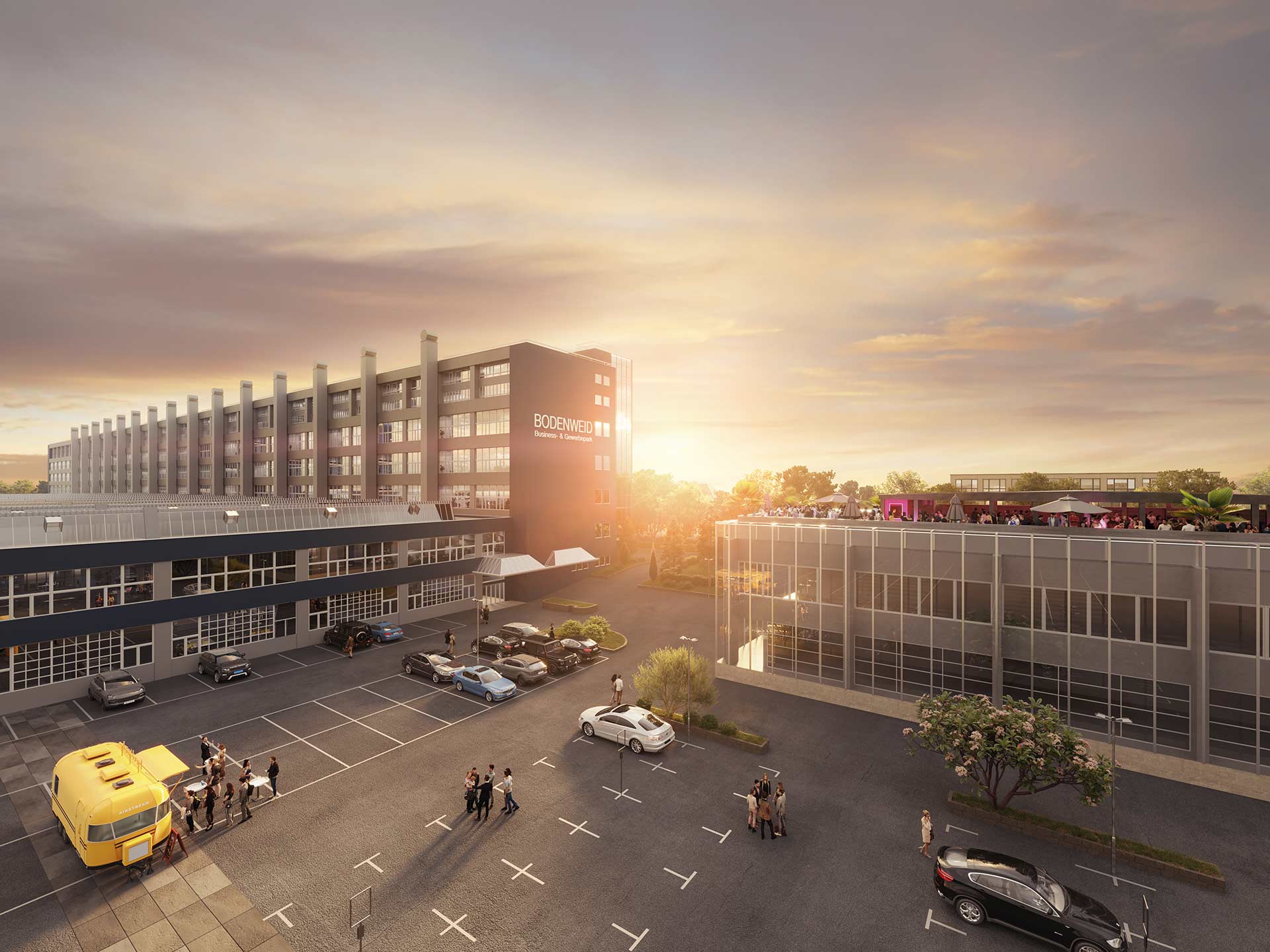
Architecture Visualization Business Park, Bodenweid Bern The Bodenweid business park shows the most modern, urban space usage options and creates productive
New building project Attikon `zur Buchwiesen` The new Buchwiesen development with twenty spacious, modern condominiums impresses with cleverly thought-out floor plans
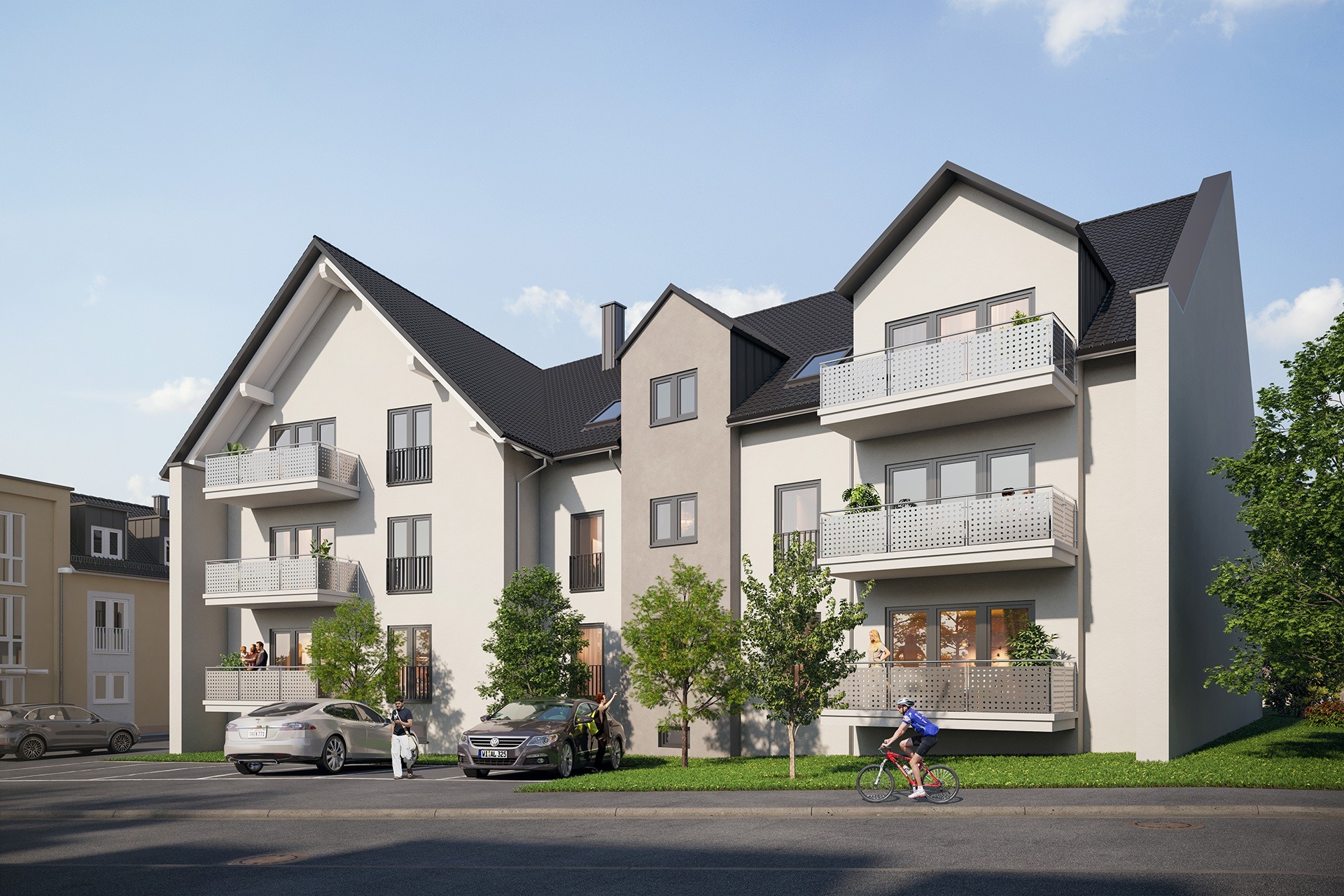
Multi-Family House Architecture Visualization Aschaffenburg Modern living in Aschaffenburg-Damm, Haidstrasse 45A family-friendly, open and interestingly designed residential complex with 11
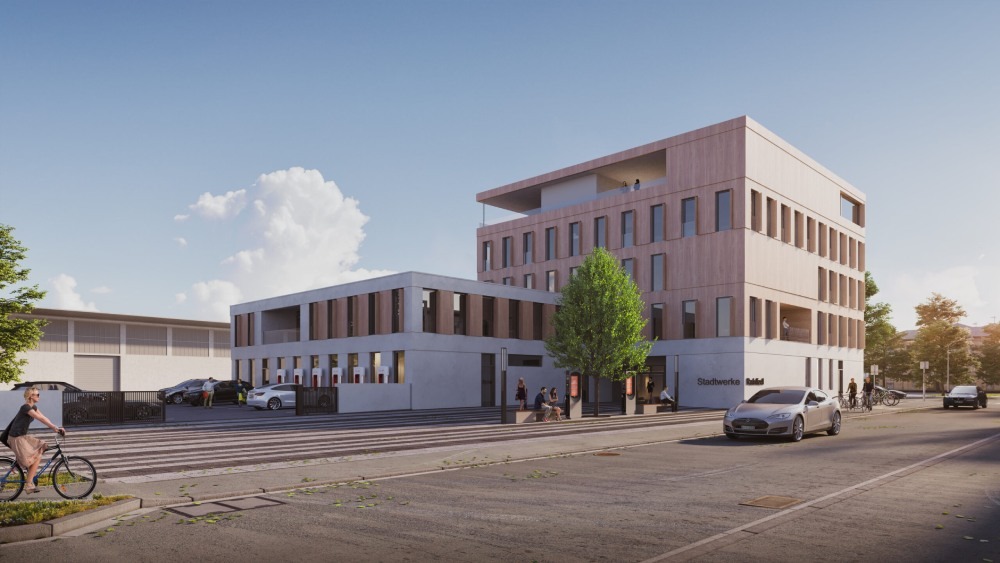
Visualization Architecture tender Radolfzell We are particularly pleased with the competition visualization for the new business building of the Radolfzell