

Digital Real Estate Marketing 2026:
Digital Real Estate Marketing 2026: Strategies for Developers and Project Developers A property developer in Leipzig once told me his
Architectural Visualisation & Property Marketing | Perspective One

A property developer in Leipzig once told me his sales office got more foot traffic from a three-minute walkthrough video than from six months of newspaper ads. That stuck with me because it says something bigger about where things are headed.
Buyers today decide long before they ever set foot on a construction site. They scroll they compare they zoom into floor plans on their phones at midnight. If your project is not showing up clearly and convincingly in that digital moment someone else’s is. That’s the reality behind digital real estate marketing Germany developers is dealing with right now and it’s only getting more competitive heading into 2026.
This blog walks through what’s actually working for developers and project teams this year. Not theory. Not buzzwords. Just the strategies that are moving units and filling investor decks.
Every year someone claims this is the year everything changes in property marketing. Most years that’s an exaggeration. This time it genuinely feels true mainly because three things are converging at once.
Interest rates have cooled buyer confidence. Construction costs are still uncomfortably high. And digital expectations have quietly become non-negotiable. Buyers who grew up with Netflix and Instagram do not have patience for a flat brochure PDF anymore. They want to feel a space before it exists.
That shift changes what marketing a development even means. It’s no longer about announcing a project. It’s about letting people experience it early from wherever they are.
Old school property marketing leaned on photos of empty lots and technical drawings only an architect could love. Nobody gets excited about a foundation plan.
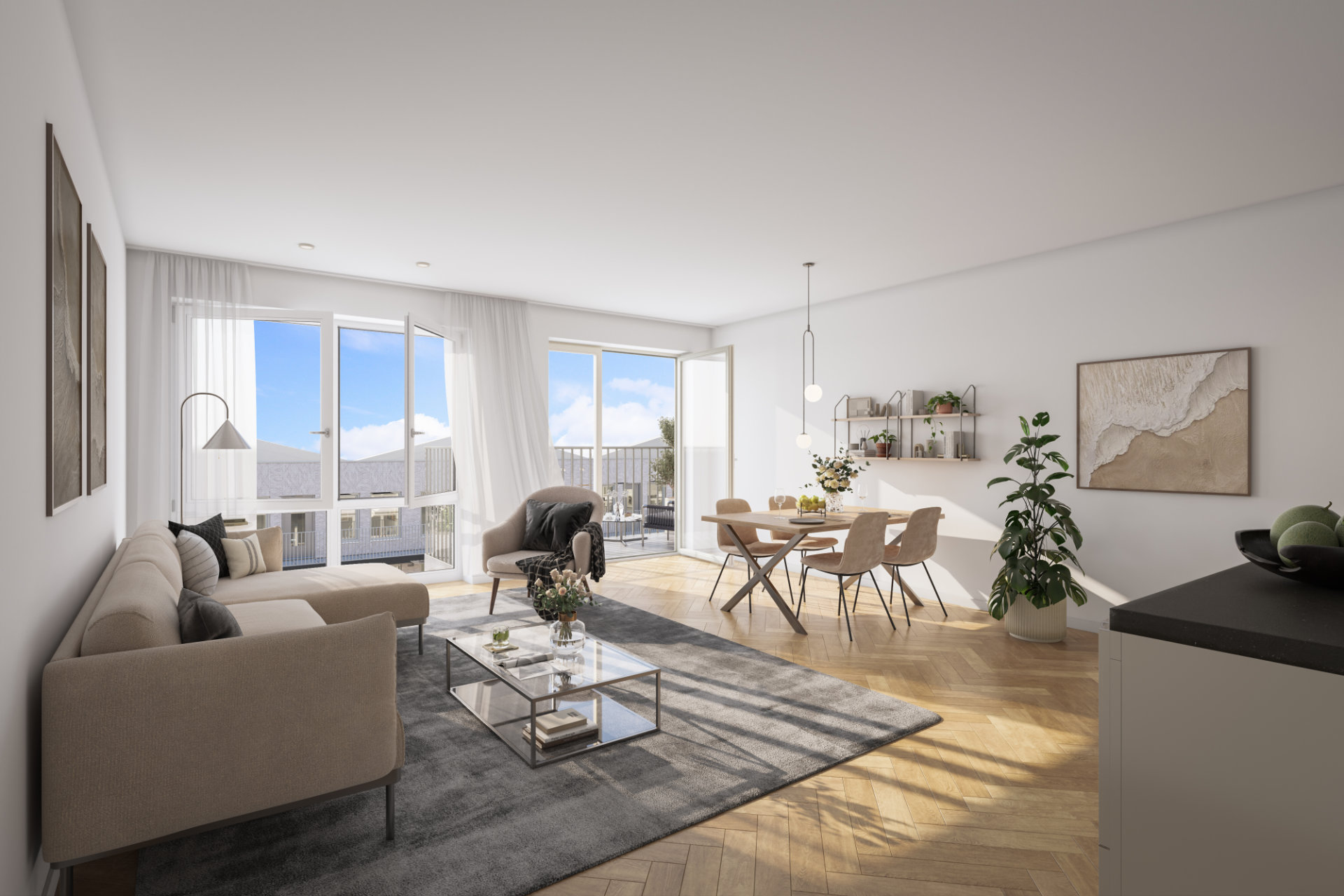
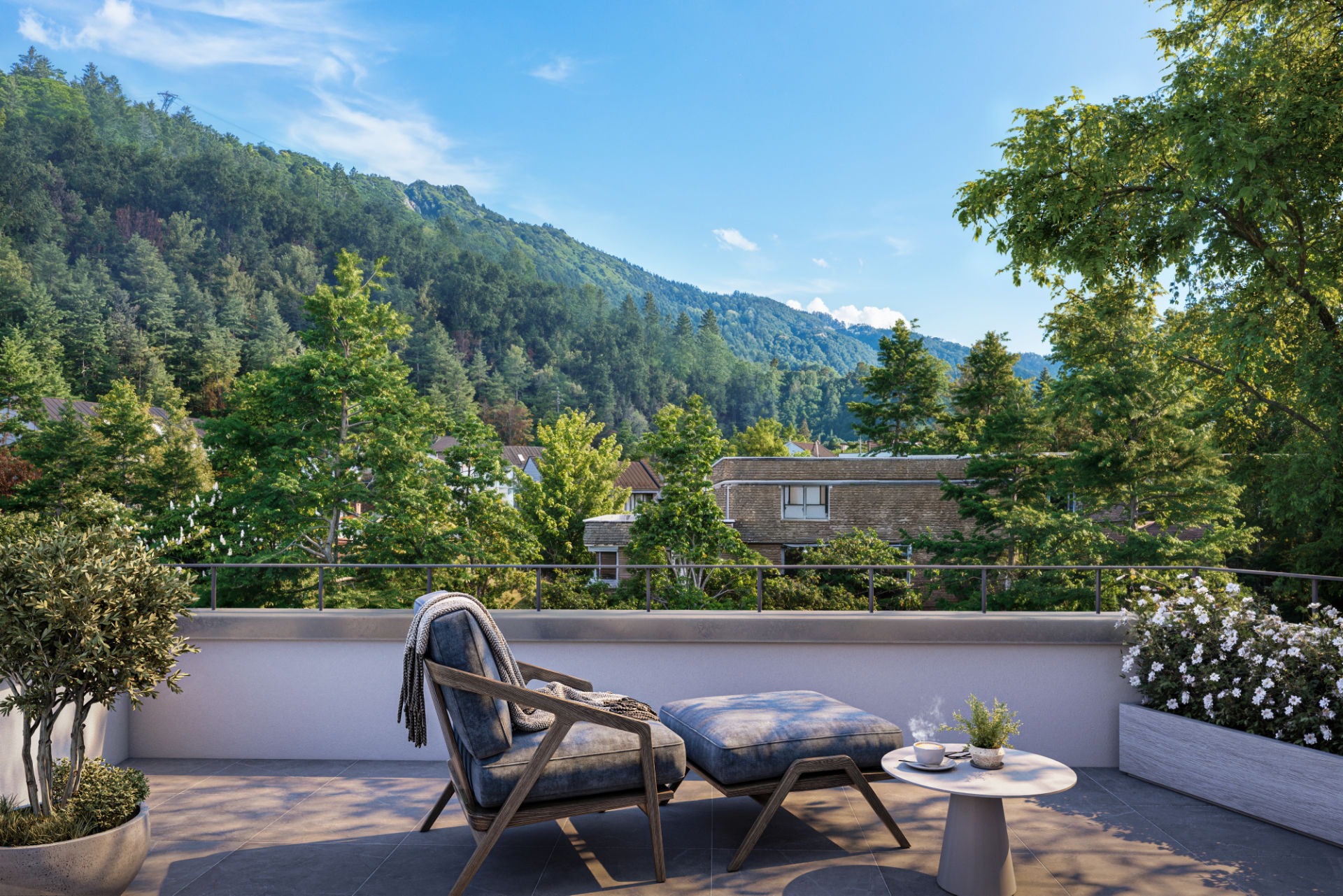
What actually converts today is story. A young family enters a kitchen, which is as real as a photograph, but doesn’t yet exist. A rooftop terrace at golden hour, revealing exactly how a potential buyer will feel sitting in one of the chairs, sipping a cup of coffee one day. This is where architectural visualization stopped being a nice extra and became core marketing infrastructure.
It’s worth saying plainly construction project marketing built only around specs and square meters is leaving money on the table. Emotion sells space. Facts justify the purchase afterward.
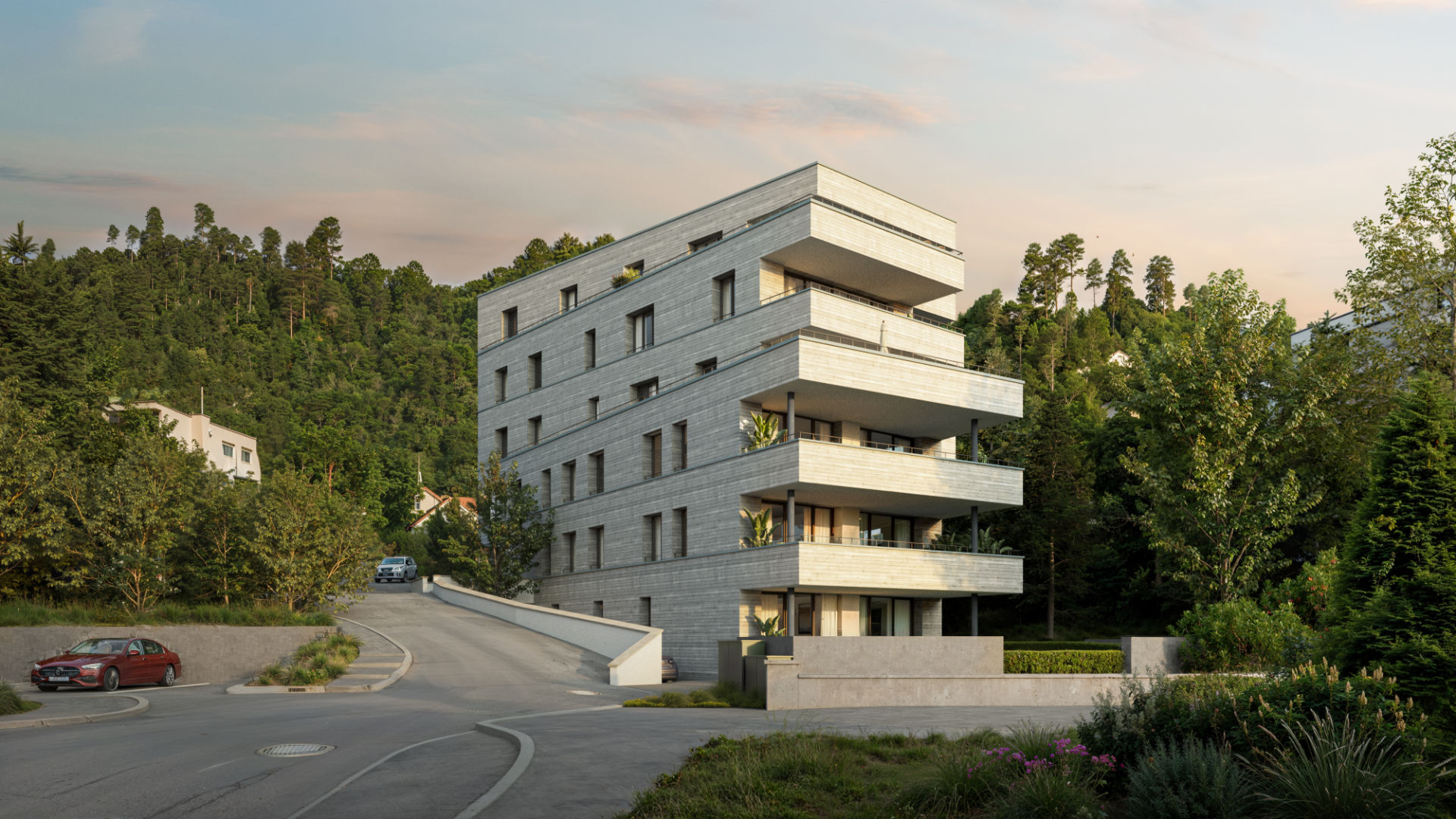
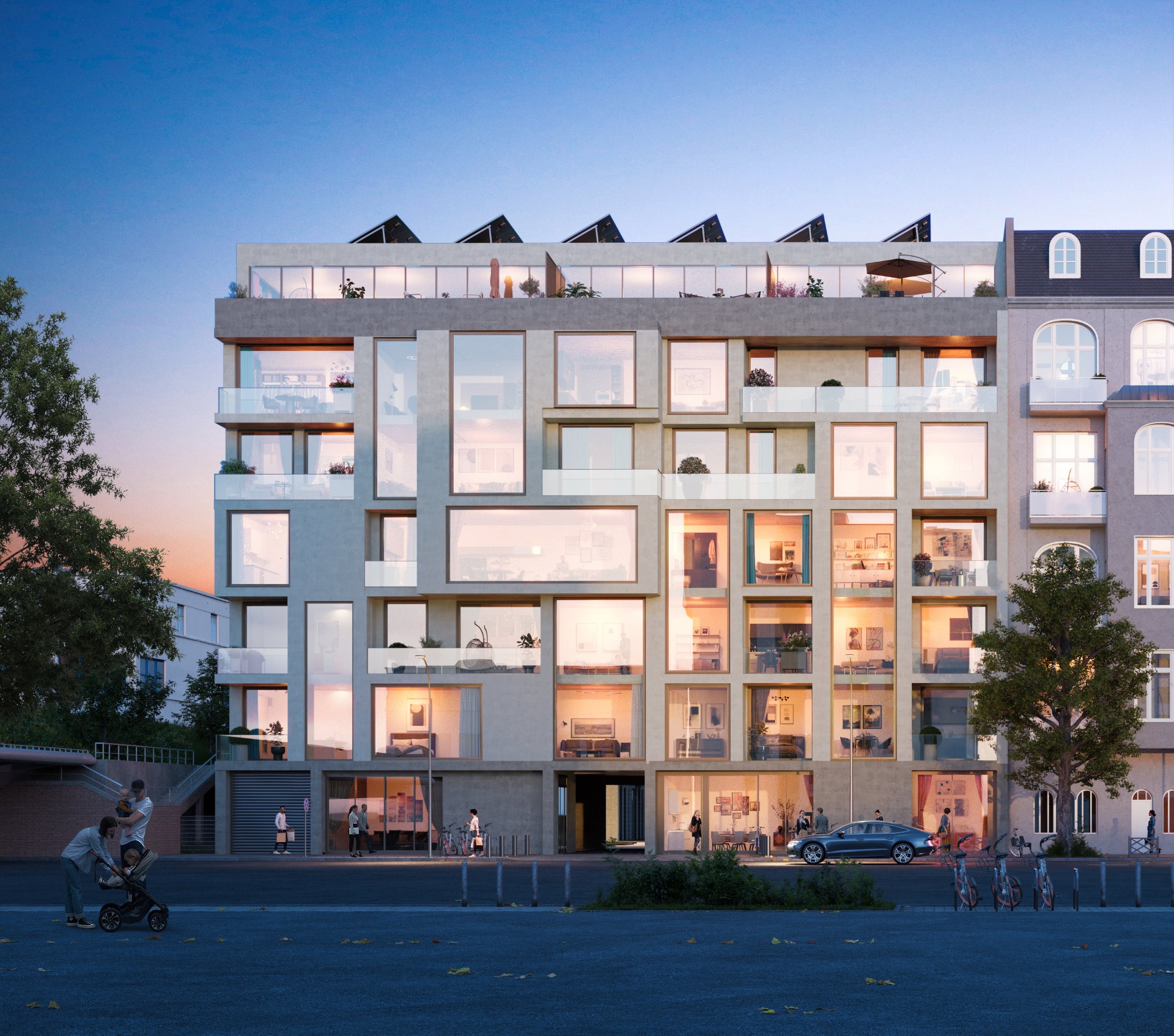
A few patterns keep showing up across successful campaigns this year. Photorealistic renders as first impression. Prior to the first brick being laid, exterior and interior visuals now carry the weight on listing pages, investor decks and social ads. Quality renders help to fill the gap between concept and home in the buyer’s mind. Short videos and Cinemagraphs. In 2026, the attention span is as bad as ever. One minute of video that has the sun shine across a living room conveys more than a paragraph of copy.
Virtual tours that do not feel gimmicky. Early VR attempts in real estate were clunky and honestly a bit awkward. The tools have matured, though. Buyers can now walk through unbuilt apartments on a phone screen, no headset required and it feels natural rather than novel.
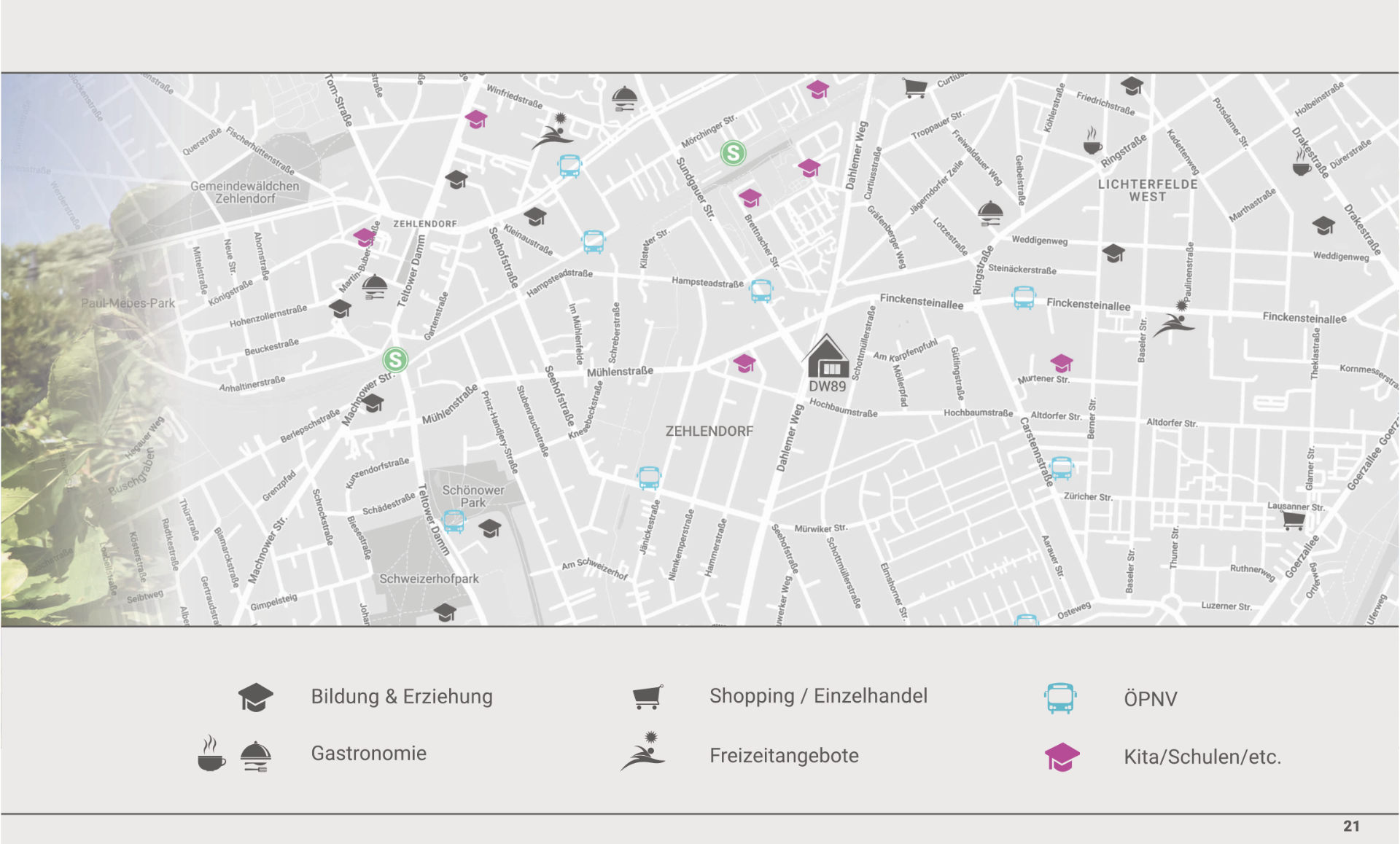
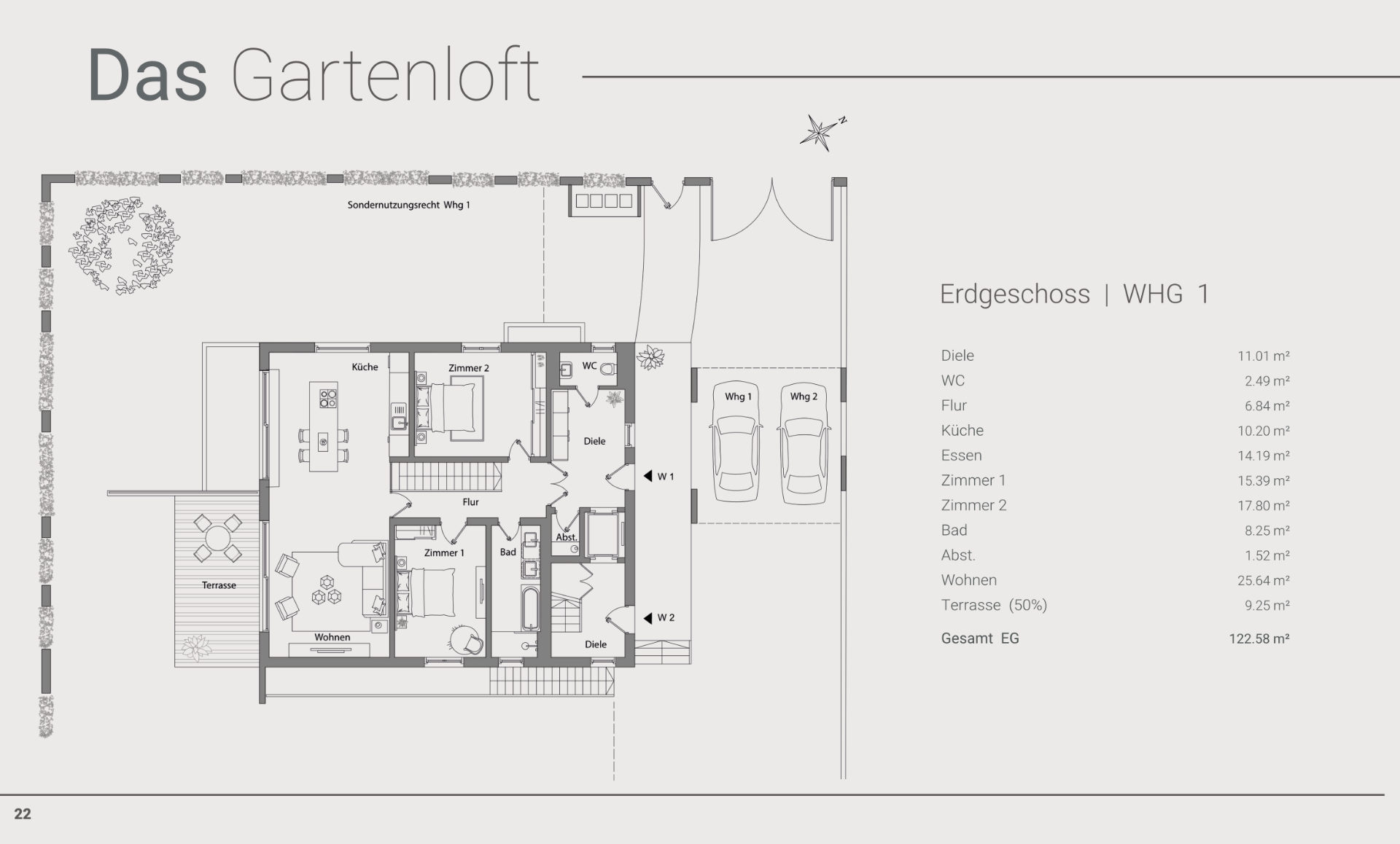
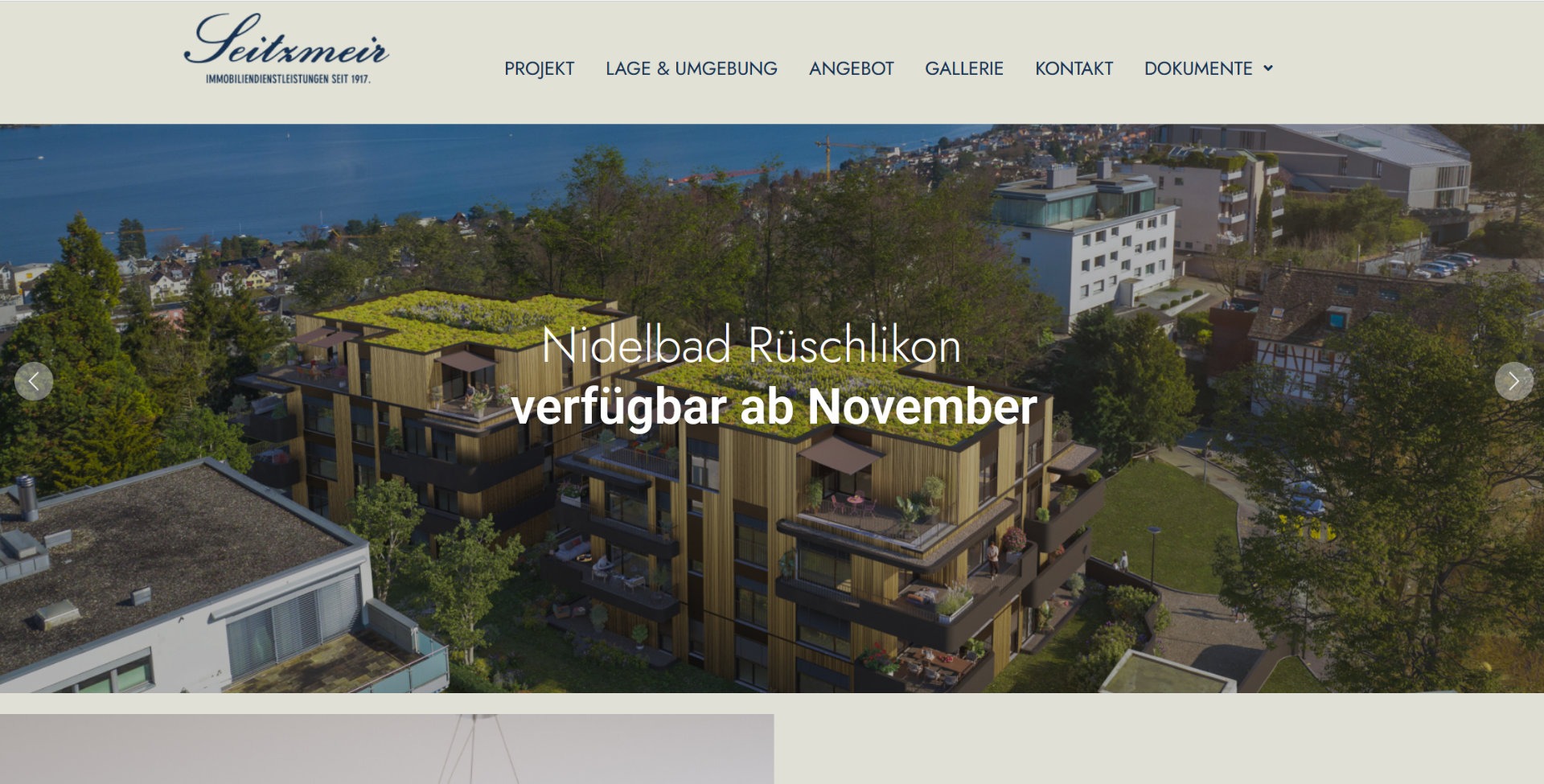
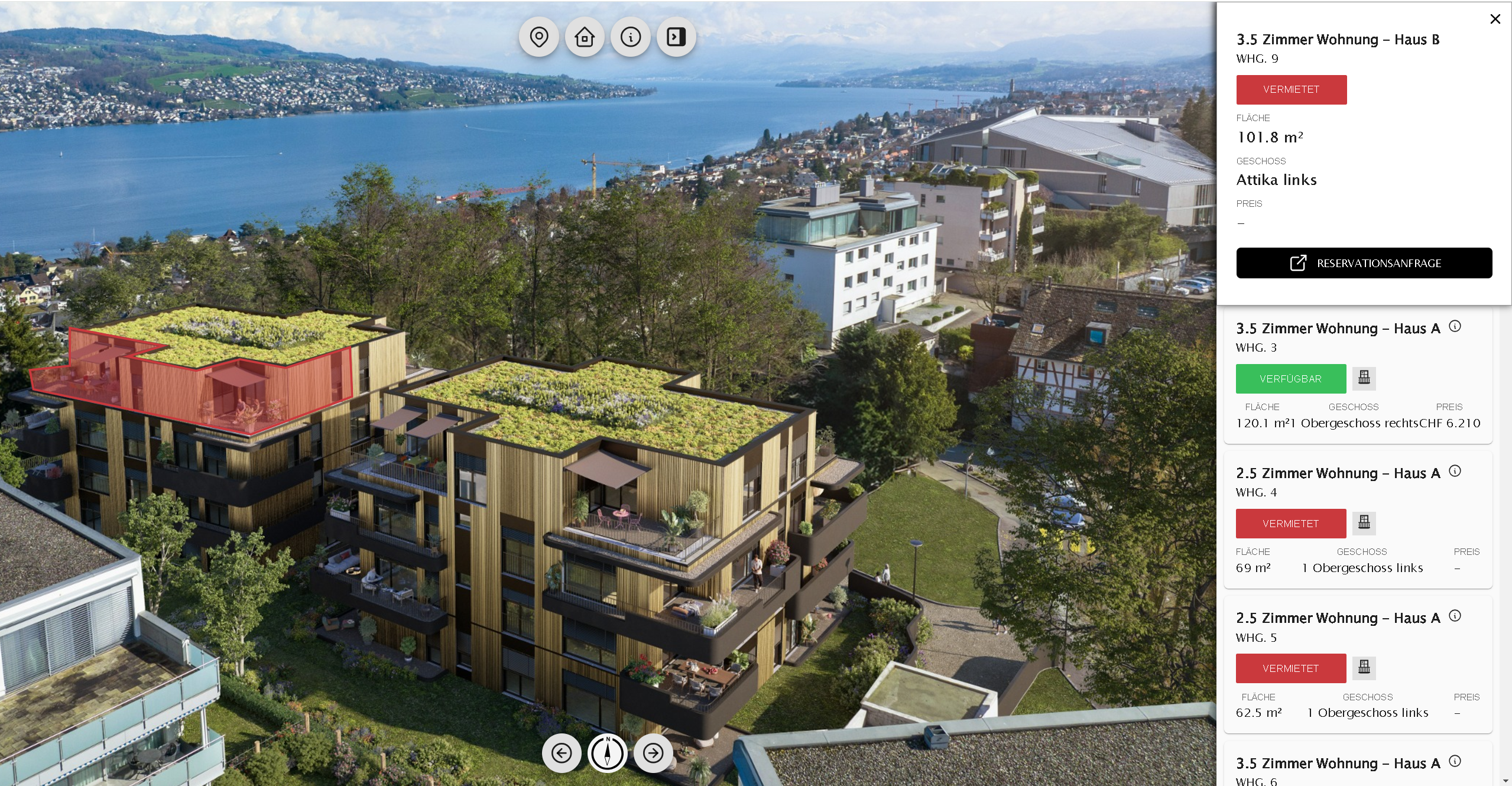
Digital apartment finders and interactive floor plans. Rather than PDFs, developers are providing buyers the ability to search, filter and instantly view layout, price and view with a floor picked up. It may seem insignificant but it can significantly reduce the time that the sales team spends on their jobs and accelerate decision-making. Site plans and micro-location content that are localized. The neighborhood is a big concern of buyers, just as much as the unit itself. Trust is established quickly when maps are provided showing the proximity of the schools, transit and parks.
Here’s where a lot of teams get it wrong. They treat visualization and website work as separate line items instead of one connected system.
That consistency matters more than people realize. A buyer who sees a stunning render online and then gets handed a badly formatted PDF at the sales office loses confidence fast. First impressions and closing impressions need to match.
There’s a temptation to treat real estate marketing as purely an online game now. Ads, SEO, social. But the best-performing developments in 2026 are blending digital and physical touchpoints smartly.
Even though the majority of tradeshow participation is virtual, it’s still a key consideration for bigger commercial or mixed-use properties in which investors are looking for a physical, face-to-face experience. But what has changed are the 3D visualization tools used to create the digital campaign which are also used to design physical booths, so that nothing is disconnected.
Competitions and tenders follow the same logic. Winning a bid increasingly depends on presenting visuals that communicate vision clearly to a jury that might not be architects themselves. A polished render can carry an argument that technical drawings simply can not.
One pattern worth mentioning. Projects that invest early in visualization before floor plans are finalized, tend to attract pre-sales faster. It sounds counterintuitive to spend on marketing before construction even starts, but early visibility builds momentum. Buyers who reserve units early become informal advocates and that word-of-mouth compounds. Waiting until a building is half finished to start marketing is a habit worth breaking in 2026.
Digital real estate marketing in Germany and honestly across Europe, has moved past the point where a nice photo and a listing description cut it. Buyers expect to feel a space, explore it and trust it before they commit.
Web developers who think of visualization, stories and digitally as a single unified strategy, not as separate costs, are the ones filling their sales pipelines the quickest. This year’s biggest budgets aren’t necessarily the most significant developments. They tell a story from the first render to the last handshake that is clear, consistent and emotionally honest. Perspective One supports developers, architects and estate agents from Germany, Switzerland and the Netherlands in making just this sort of visual marketing integrated into their projects.
What is digital real estate marketing?
It’s the use of online tools, visuals, and platforms, like 3D renders, virtual tours, and interactive websites, to market a property before, during, or after construction, helping buyers understand and connect with a space early.
Why is architectural visualization important for construction project marketing?
It lets developers show unbuilt spaces realistically, helping buyers and investors picture the finished result long before construction wraps up, which speeds up sales decisions.
How early should developers start marketing a new project?
Ideally during the concept or early design phase. Starting visualization and marketing early builds momentum and attracts pre sales before the building even exists.
What tools are most effective for real estate marketing in 2026?
Photorealistic renders, short promotional videos, virtual tours, and interactive apartment finders are currently delivering the strongest engagement and conversion results.
Your Briefing for the Visualization Agency: A Checklist for Fewer Revision Rounds Last year, a project manager from Cologne sent
Digital Real Estate Marketing 2026: Strategies for Developers and Project Developers A property developer in Leipzig once told me his
How high-quality architectural visualisation speeds up property sales The real estate market is more competitive than ever. Buyers have endless
From Empty Lot to Dream Home: Storytelling for New Construction An empty lot tells no story. But a new construction
The Digital Showroom: Virtual Tools That Market Projects Before the First Brick Modern buyers do not shop on construction sites
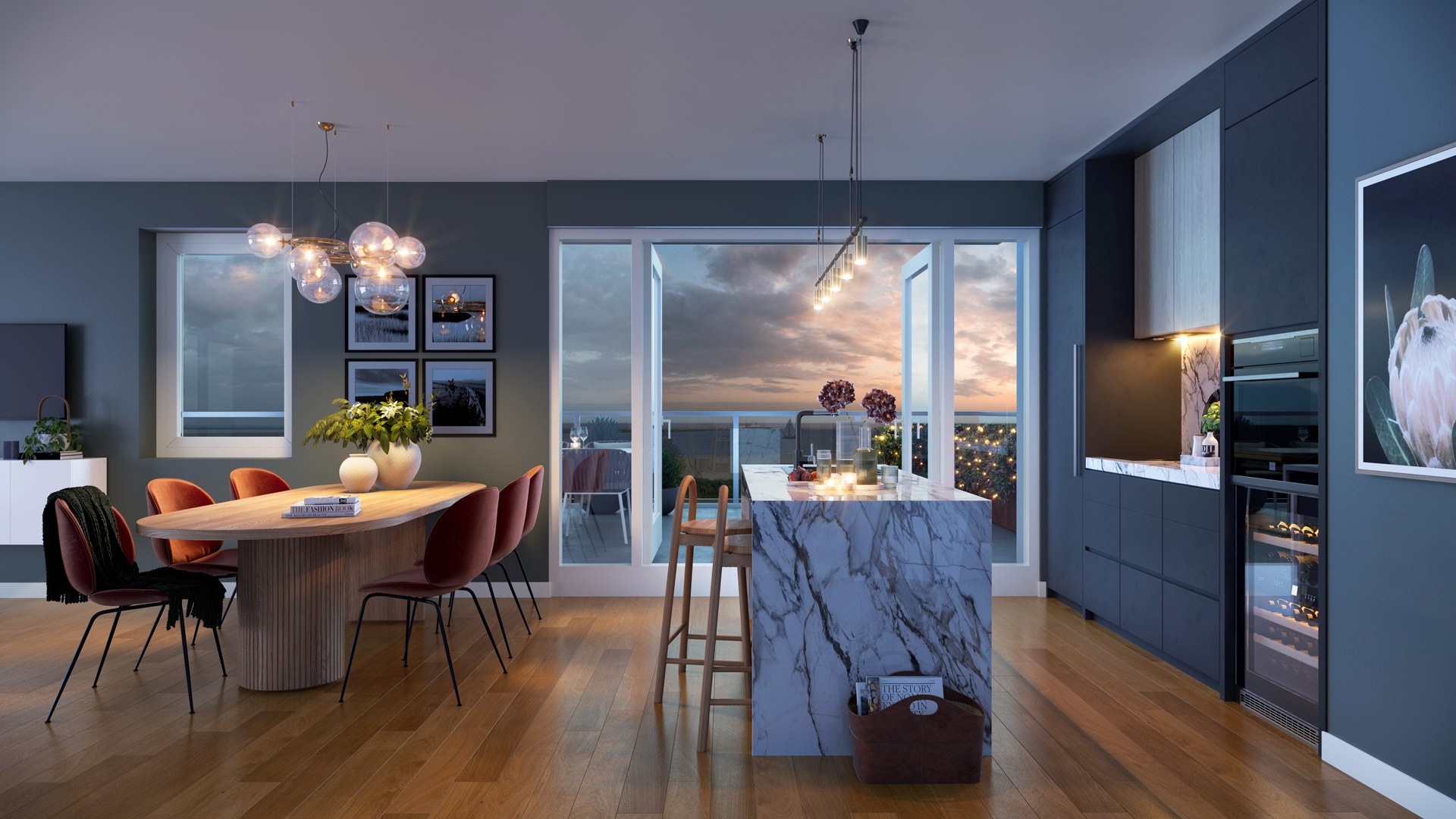
Interior visualisations as a decision-making aid: how property developers win over sceptical buyers Sceptical buyers are the hardest to convince.
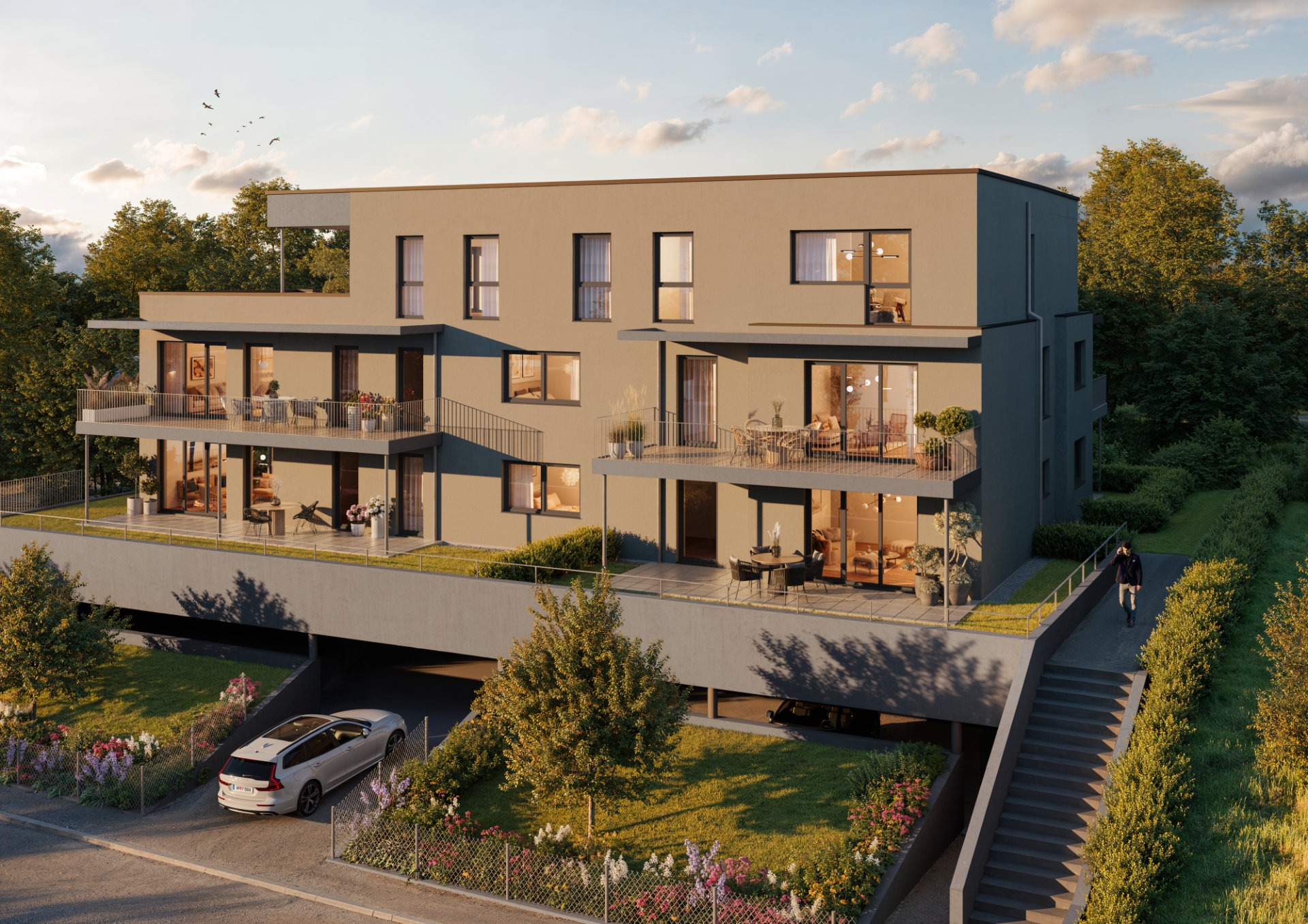
Graz Architectural Visualisation – Peterstalerstrasse in St Peter Prime location with just 10 residential units Exclusive property development project comprising
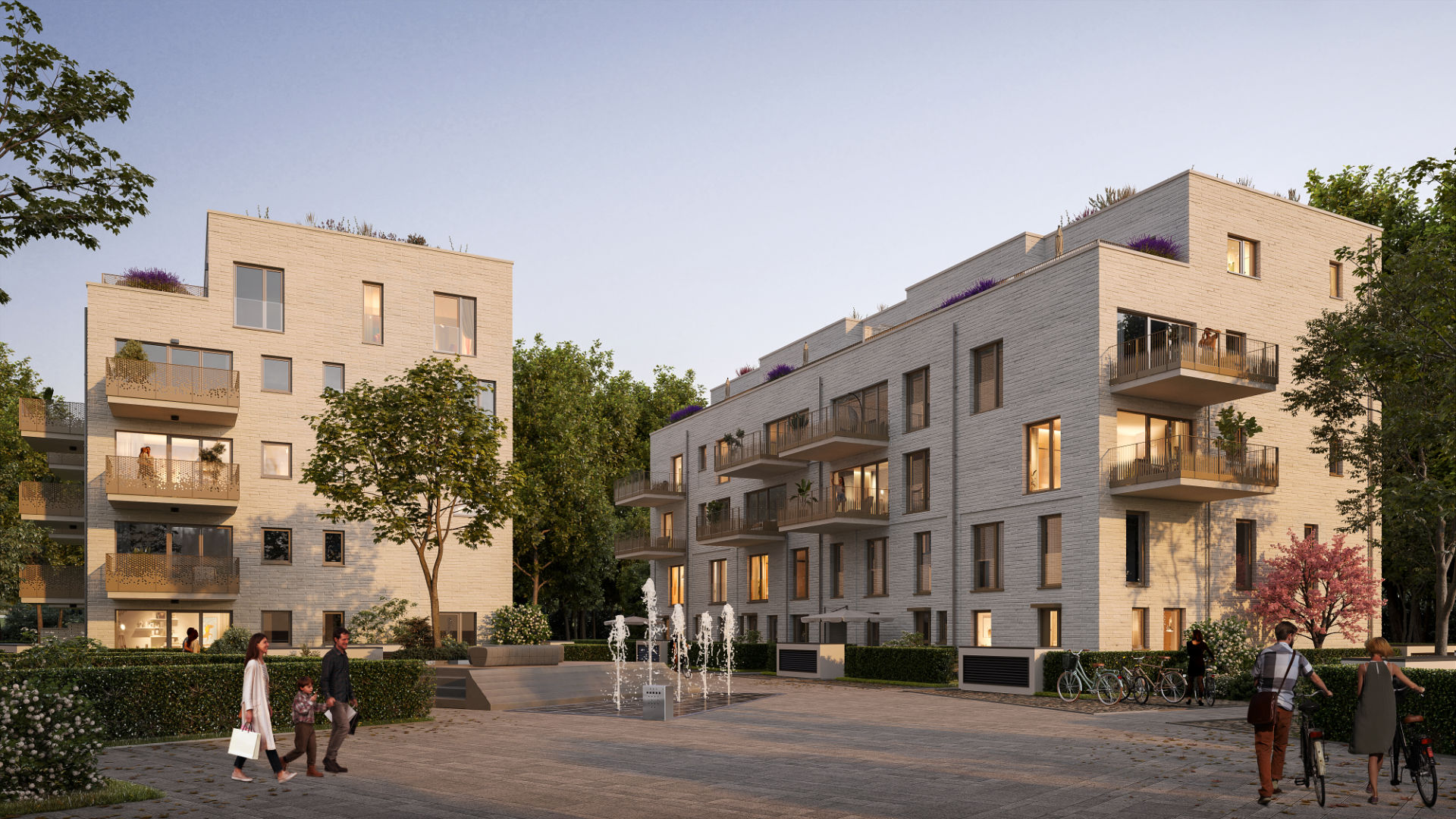
Architectural Visualisations Düsseldorf GOLDECK No. 1 GOLDECK No. 1 in Düsseldorf-Oberkassel is a residential development with a clear focus:For people

Material & Texture: The Power of Details in 3D Visualisations In architecture and design visualisation, it is often the small
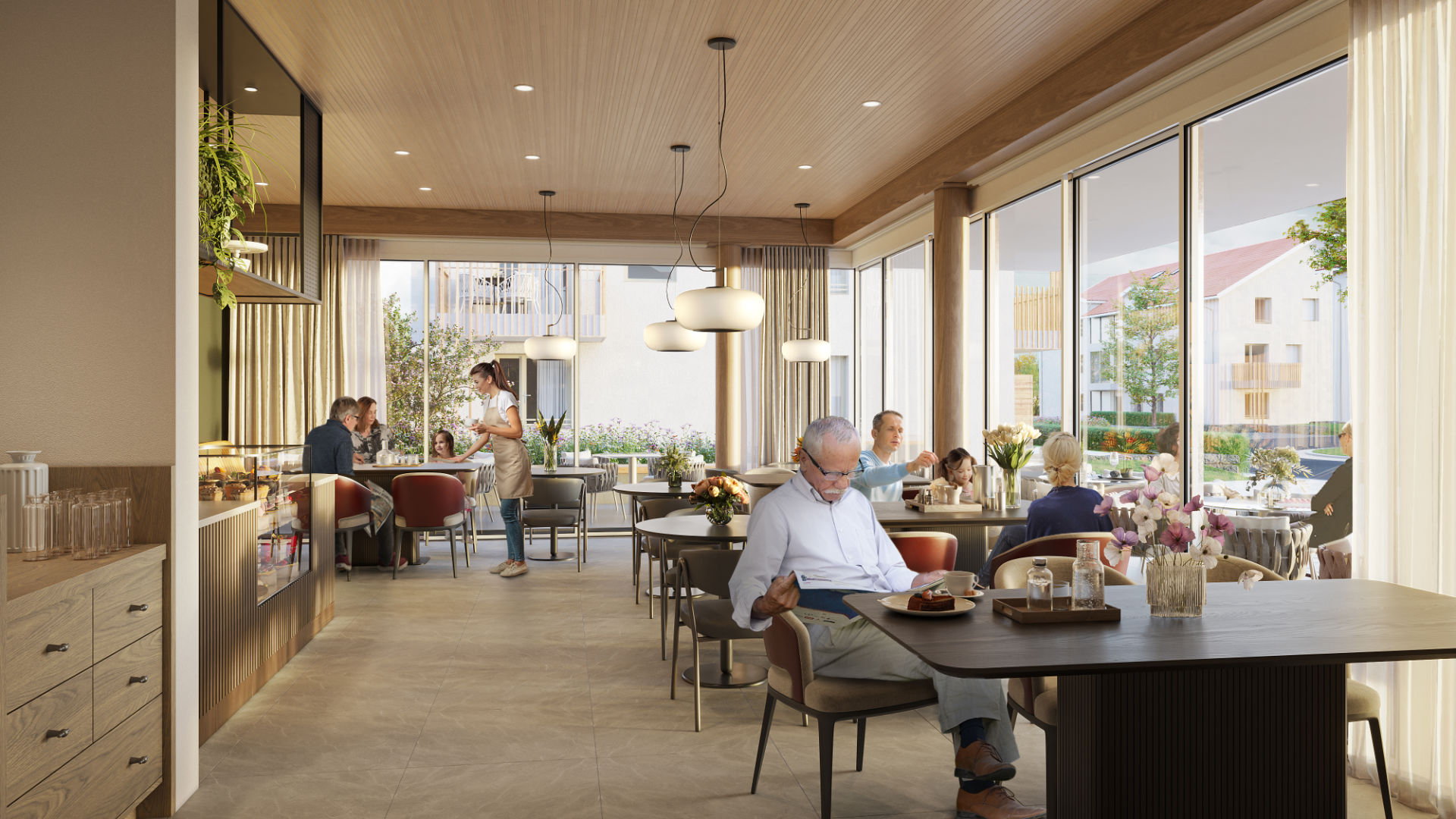
MAX-JOSEPH Ü60-Living at the park, Großkarolinenfeld Excellent architectural visualizations for the MAX-JOSEPH - Ü60-Wohnen am Park project The submission plan
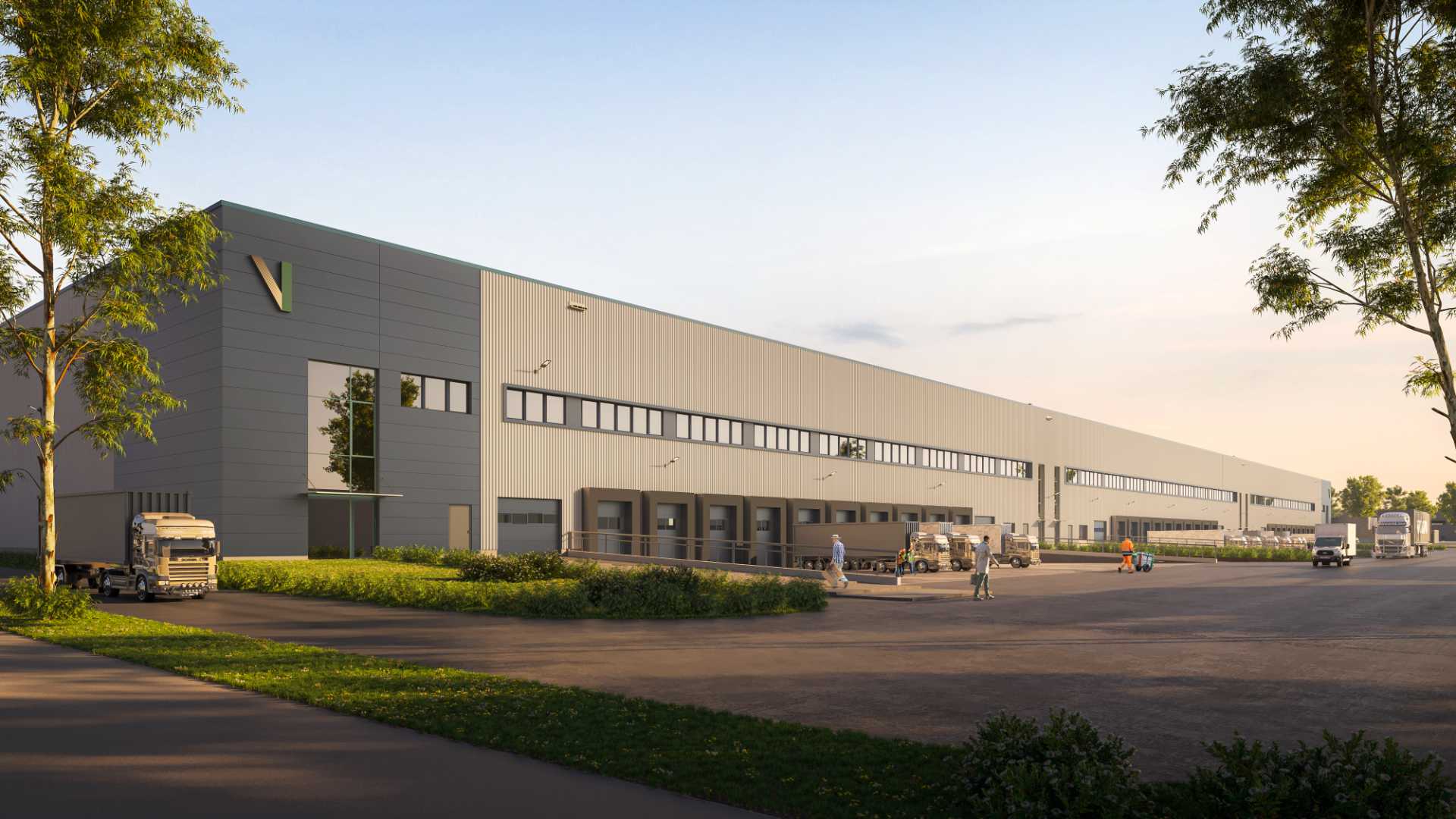
Excellent architectural visualizations for modern commercial properties Our visualizations take logistics halls, production facilities, and commercial buildings to a whole

Visualisation of restoration work on Otto von Guericke Straße in Magdeburg With great attention to detail, we created visualisations for
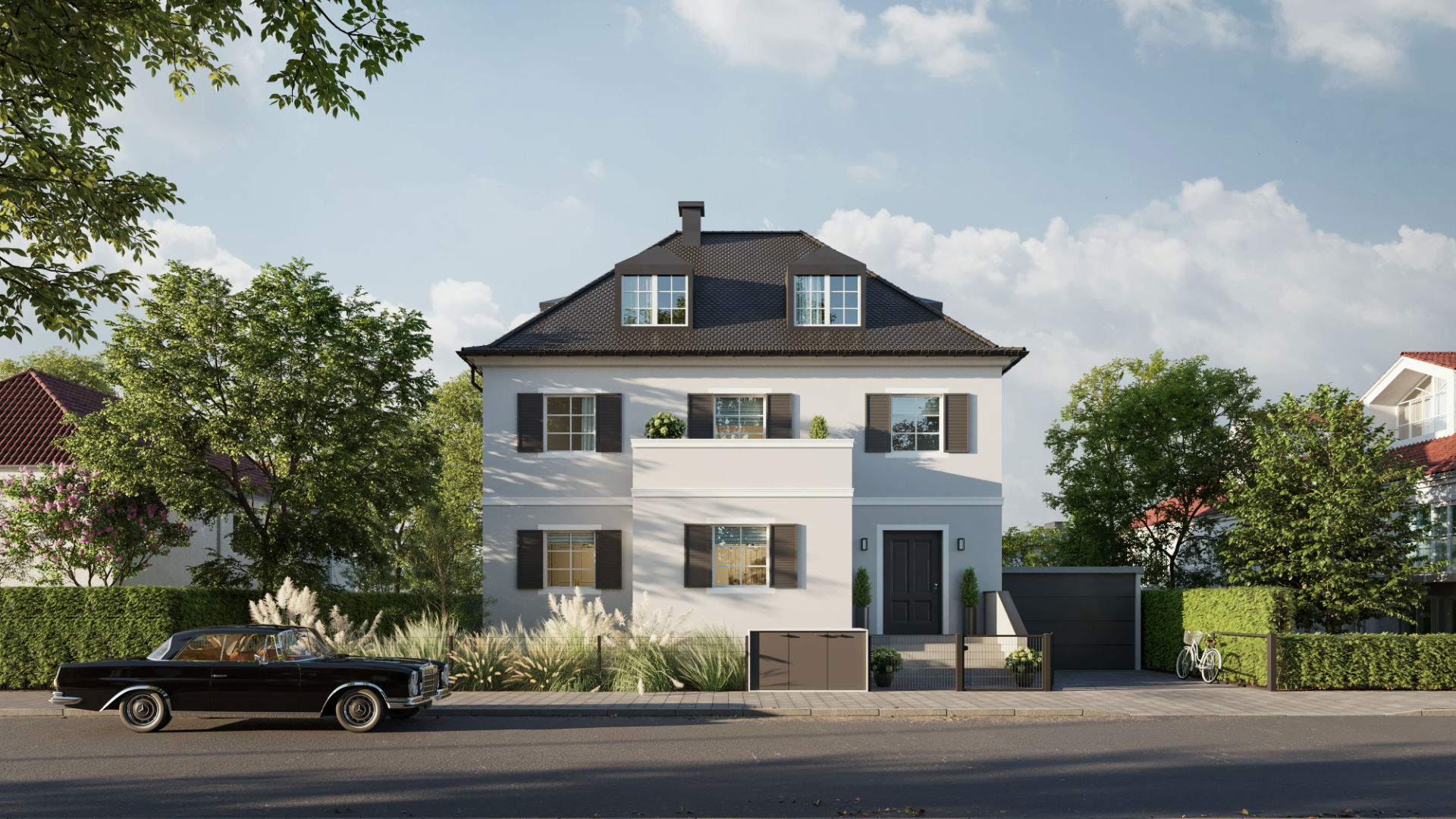
Visualization Villa Flotowstraße Munich Atmospheric architectural visualization - Villa Flotowstraße, Munich We created a particularly atmospheric and detailed architectural visualization

Verde Vista residential visualisation Verde Vista in Zoeterwoude: A visual journey into modern livingWe are delighted to present our latest

NAIO Campus – high-quality architectural visualization We had the great pleasure of creating breathtaking architectural visualisations for an exciting project:the
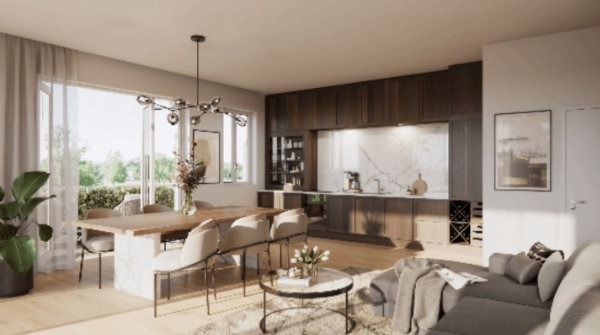
Cinemagraphs - Living room visualization with animation We have created a fascinating interior visualization with a subtle animation. This Cinema
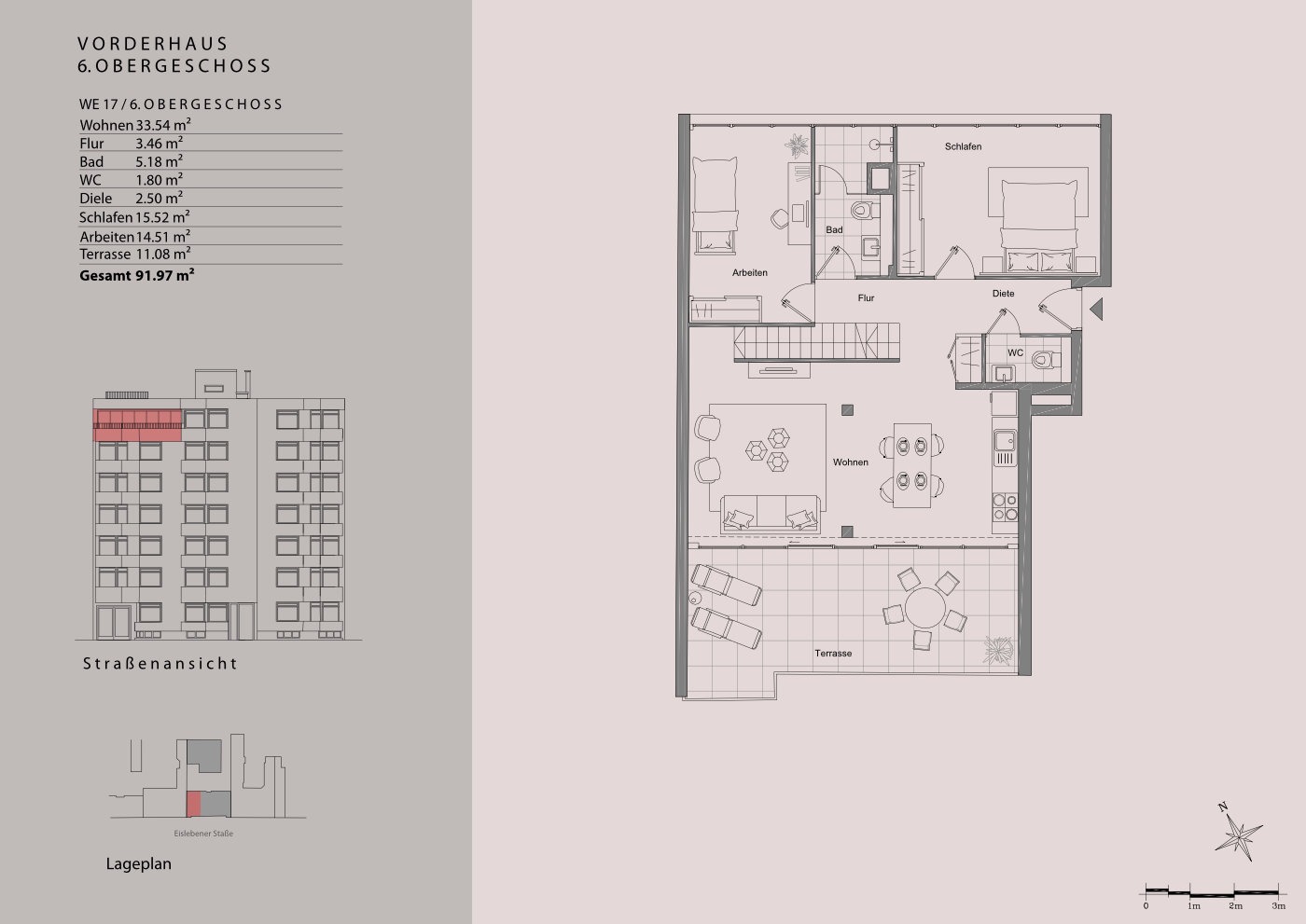
For a harmonious overall concept: tailor-made floor plans A new focus in our all-round service is the topic of "floor

Switzerland Architectural visualizations “SEVIDA” Seuzach, layout, architectural visualizations, virtual tour, exposé and webpage This summer, the new SEVIDA project will
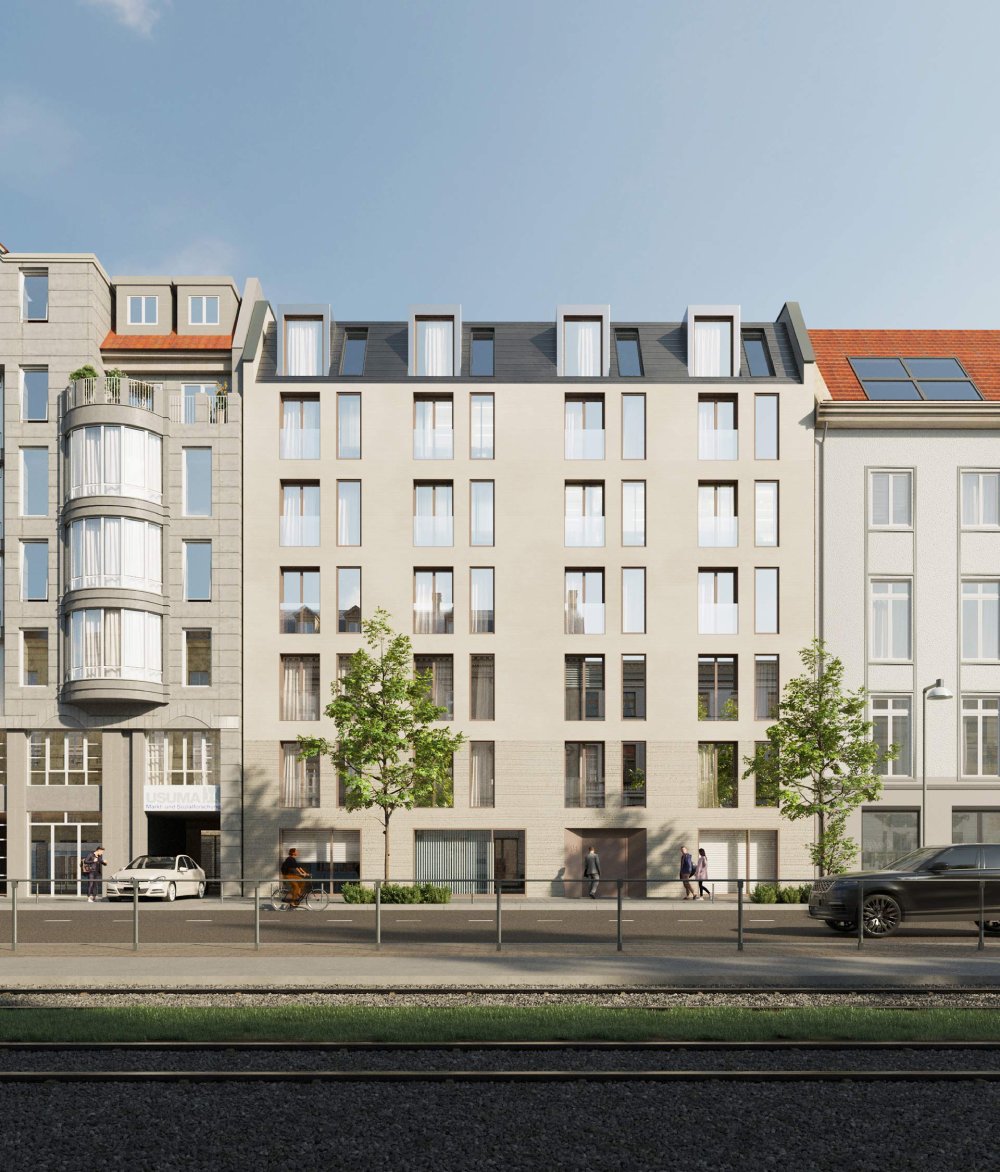
Berliner Allee Weissensee Architecture Visualization & Animation With enthusiasm and creativity, we took on the challenge of creating breathtaking exterior
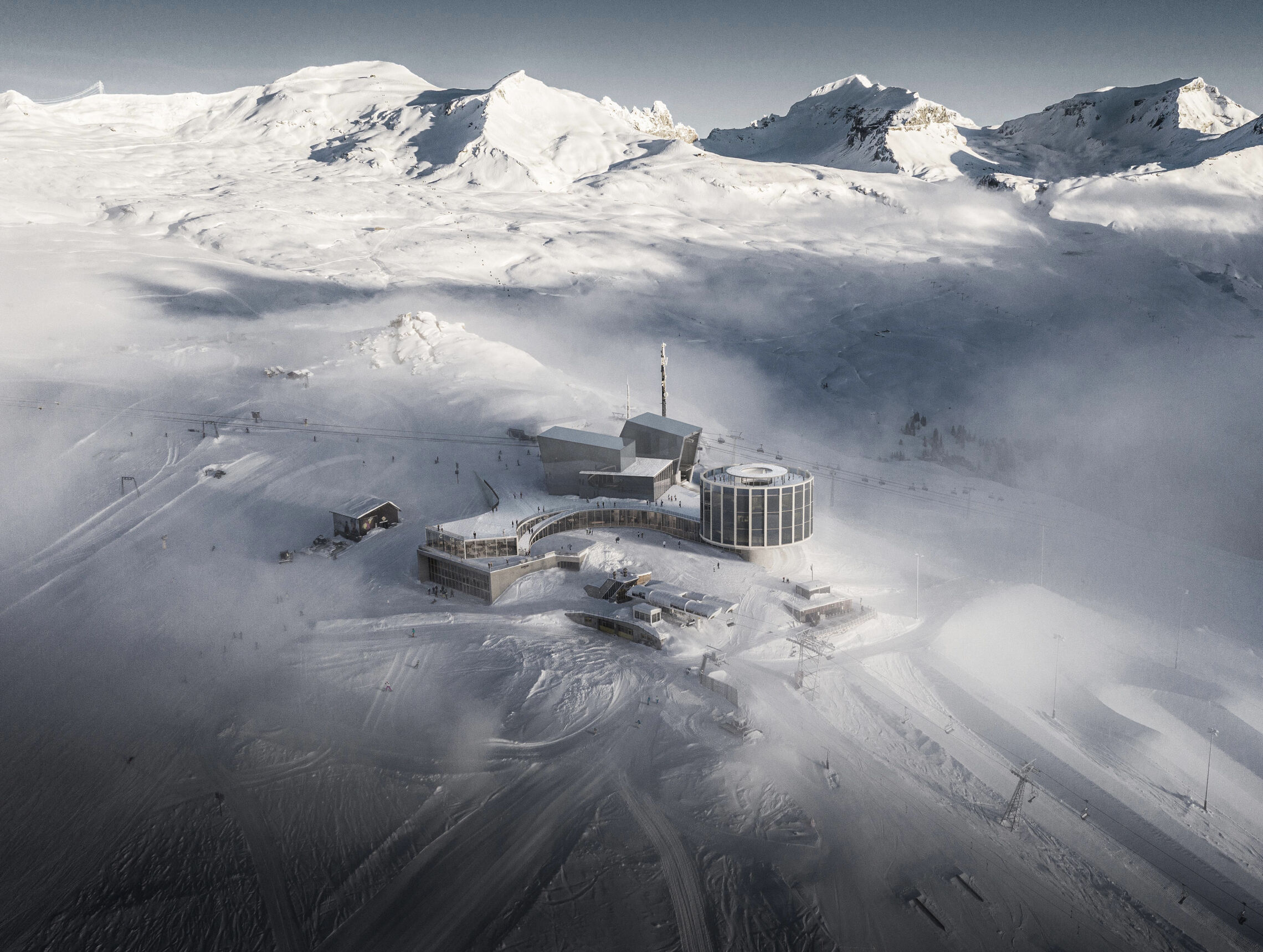
The CRAP SOGN GION MOUNTAIN STATION It is always absolutely fascinating to visualize a building with such impressive architecture.Even after
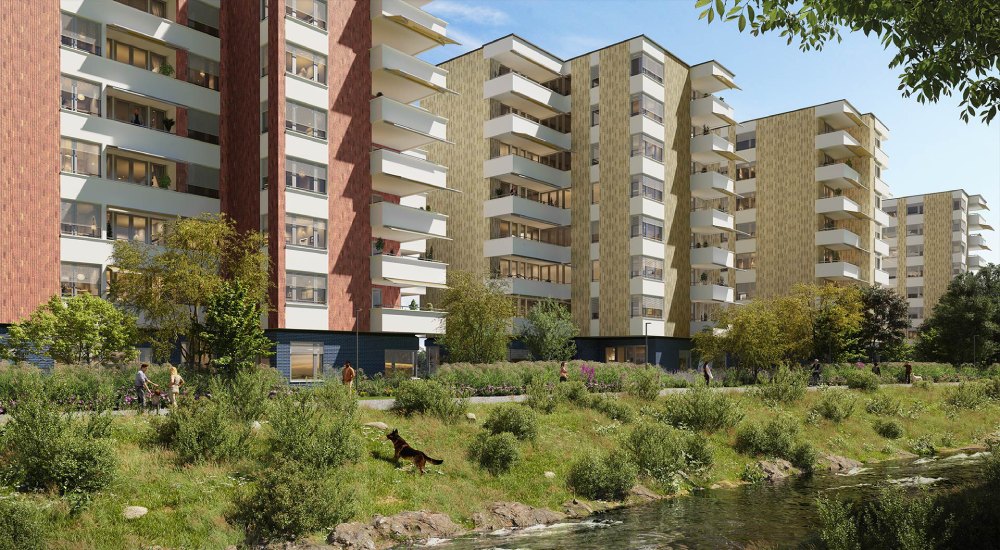
Architectural Visualization Zurich ZHIL Arrive between the lively city of Zurich and the glittering Sihl.From April, a further 157 rental
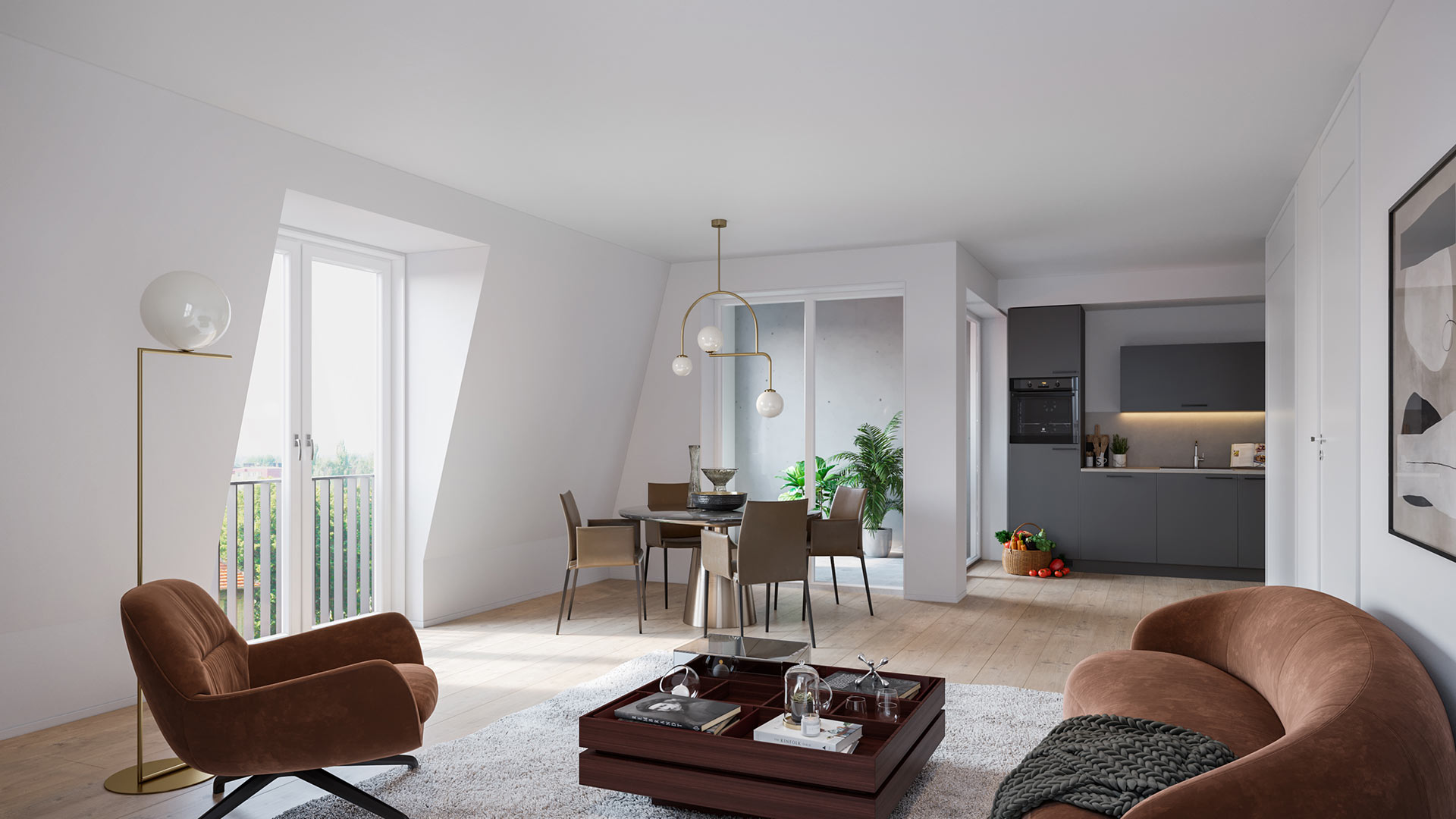
Middenduin-Zuiderloo housing project Our team at Perspective One was asked to create 4 exterior and 2 interior visualizations for the
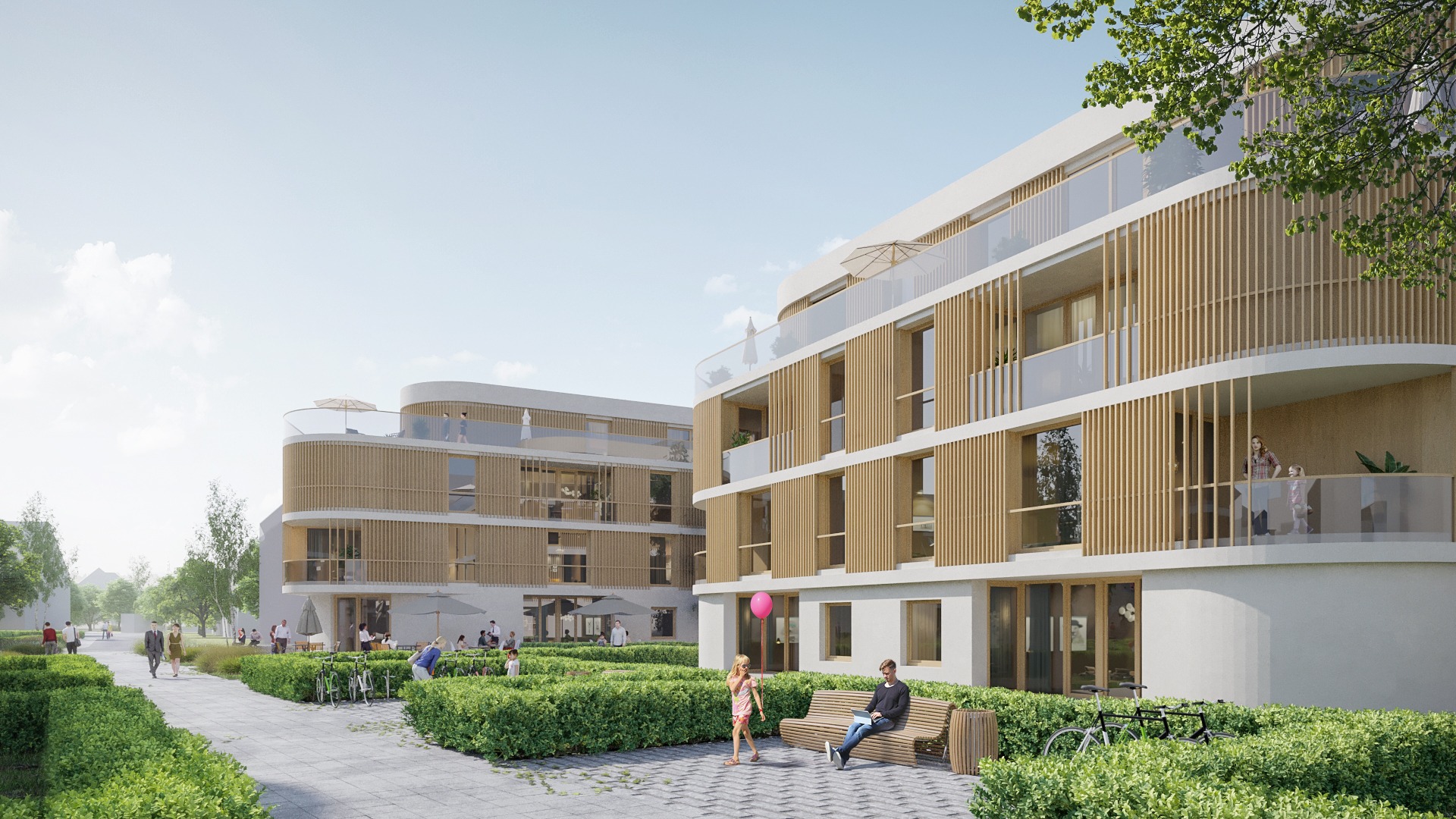
Hattingen Architecture Competition architectural visualizations, competition visualizations More News & Projects NAIO Campus Greifswald 12 Januar 2025 NAIO Campus –
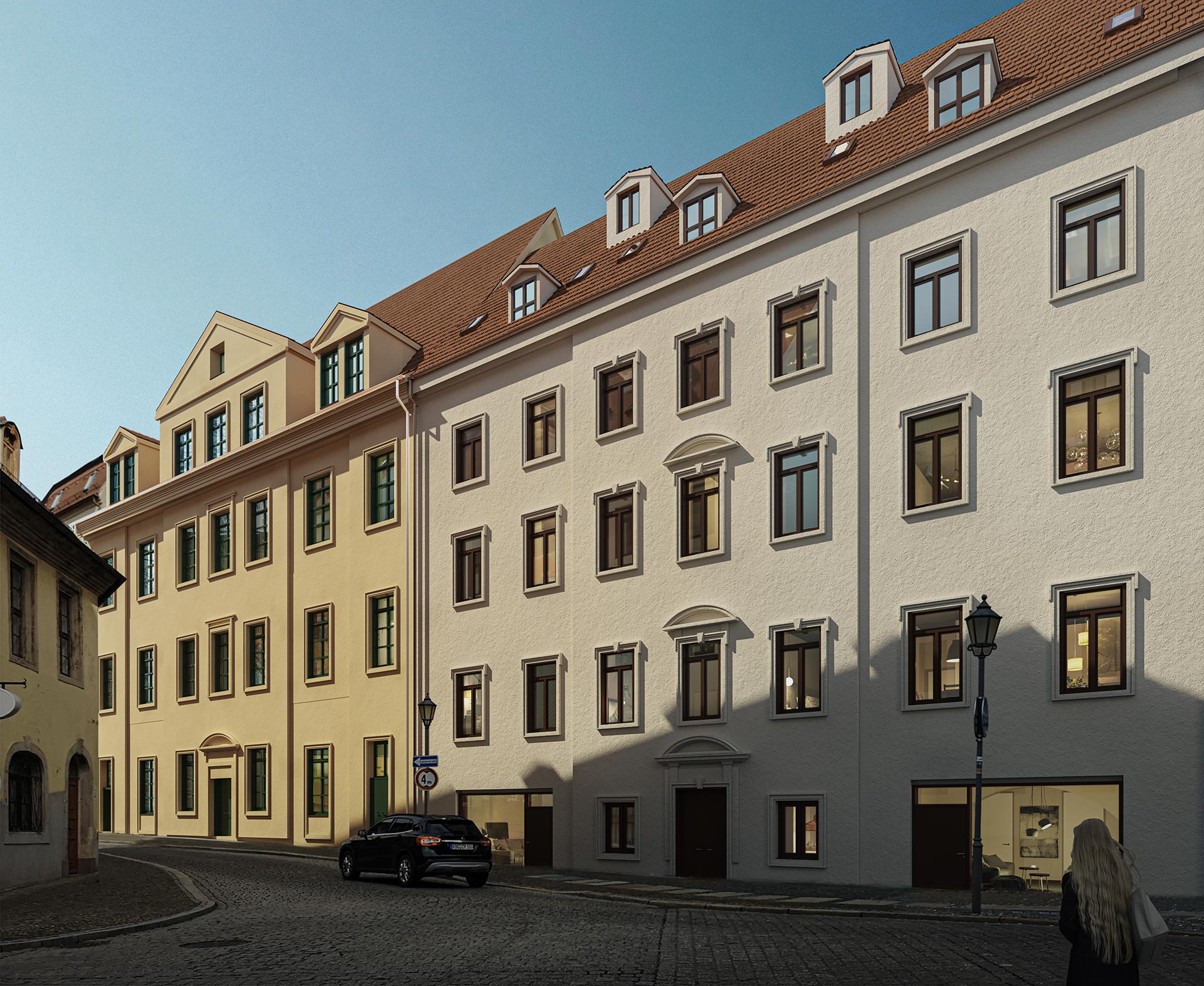
Altstadtvisualisierung Domstraße Merseburg Altstadtjuwel in der Domstrasse Merseburg In der Domstrasse Merseburg wurde ein besonderes Altstadtprojekt realisiert. Die anspruchsvolle Renovierung

Real estate presentation new building project Mattighofen The location of the very beautiful, small plot of land in Mattighofen, for
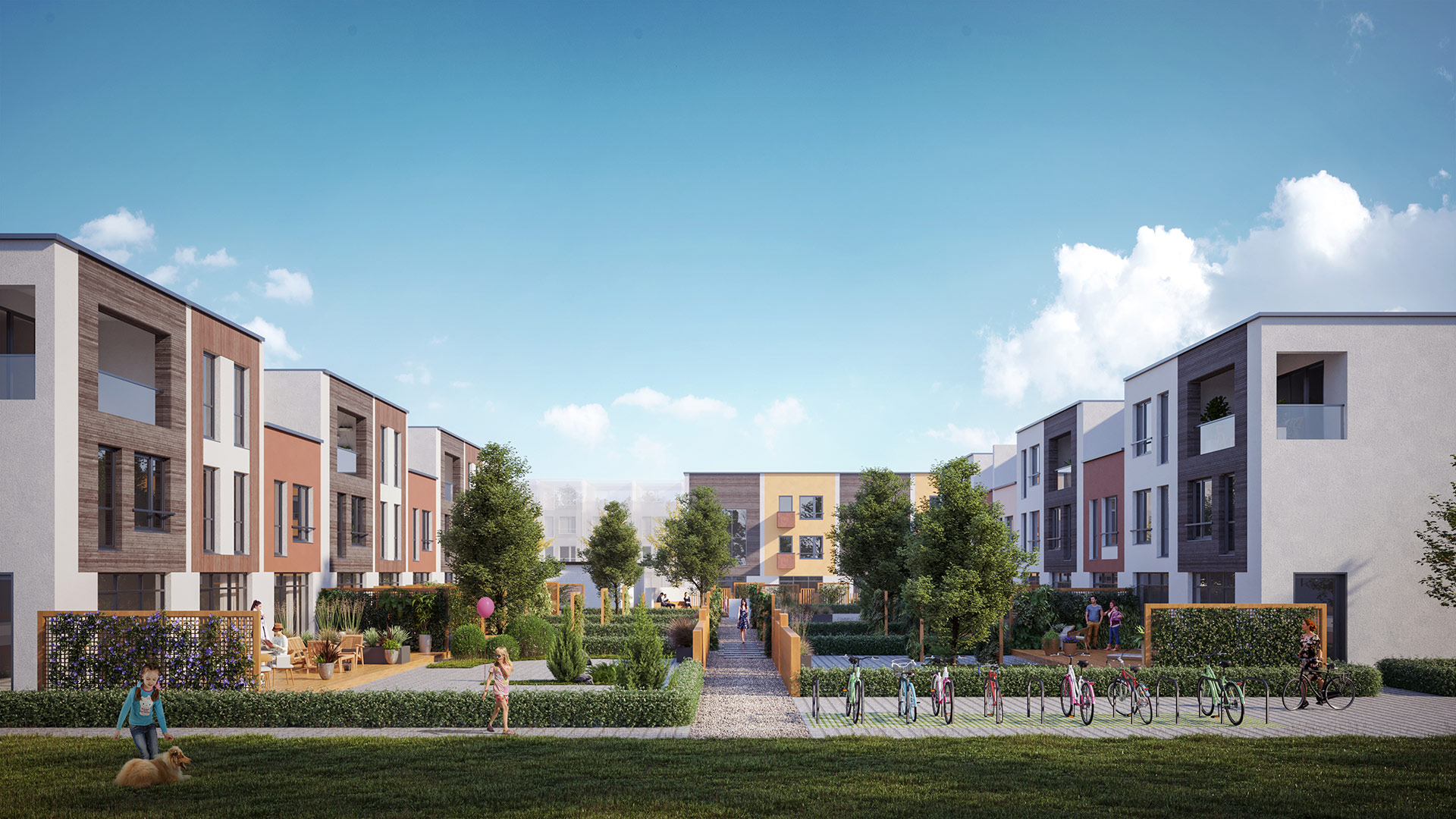
Paderborn Architecture Tender The Alanbrooke QuarterWe created a tender visualization for our client Grund Invest for the newly planned “Alanbrooke”
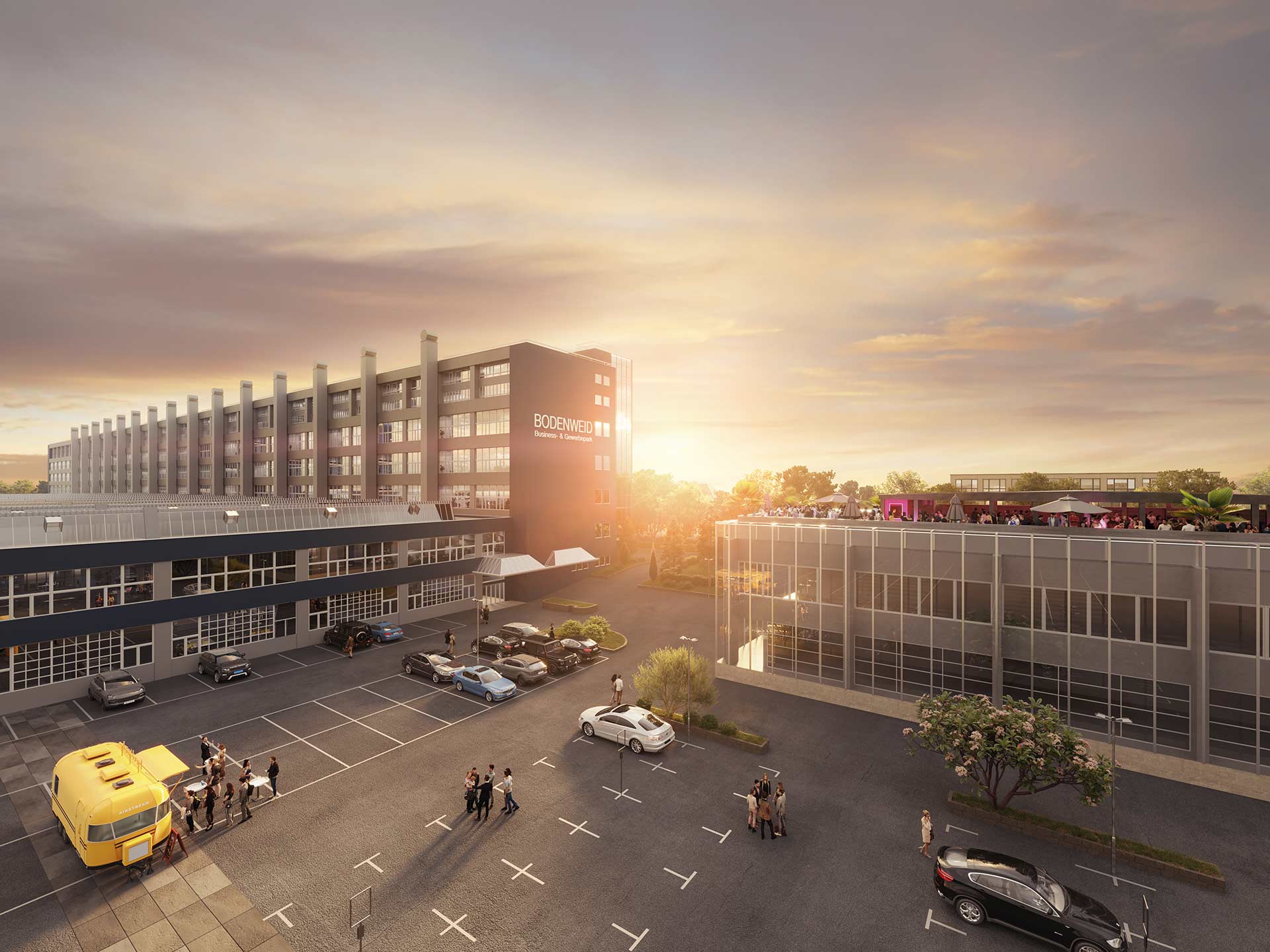
Architecture Visualization Business Park, Bodenweid Bern The Bodenweid business park shows the most modern, urban space usage options and creates productive
New building project Attikon `zur Buchwiesen` The new Buchwiesen development with twenty spacious, modern condominiums impresses with cleverly thought-out floor plans
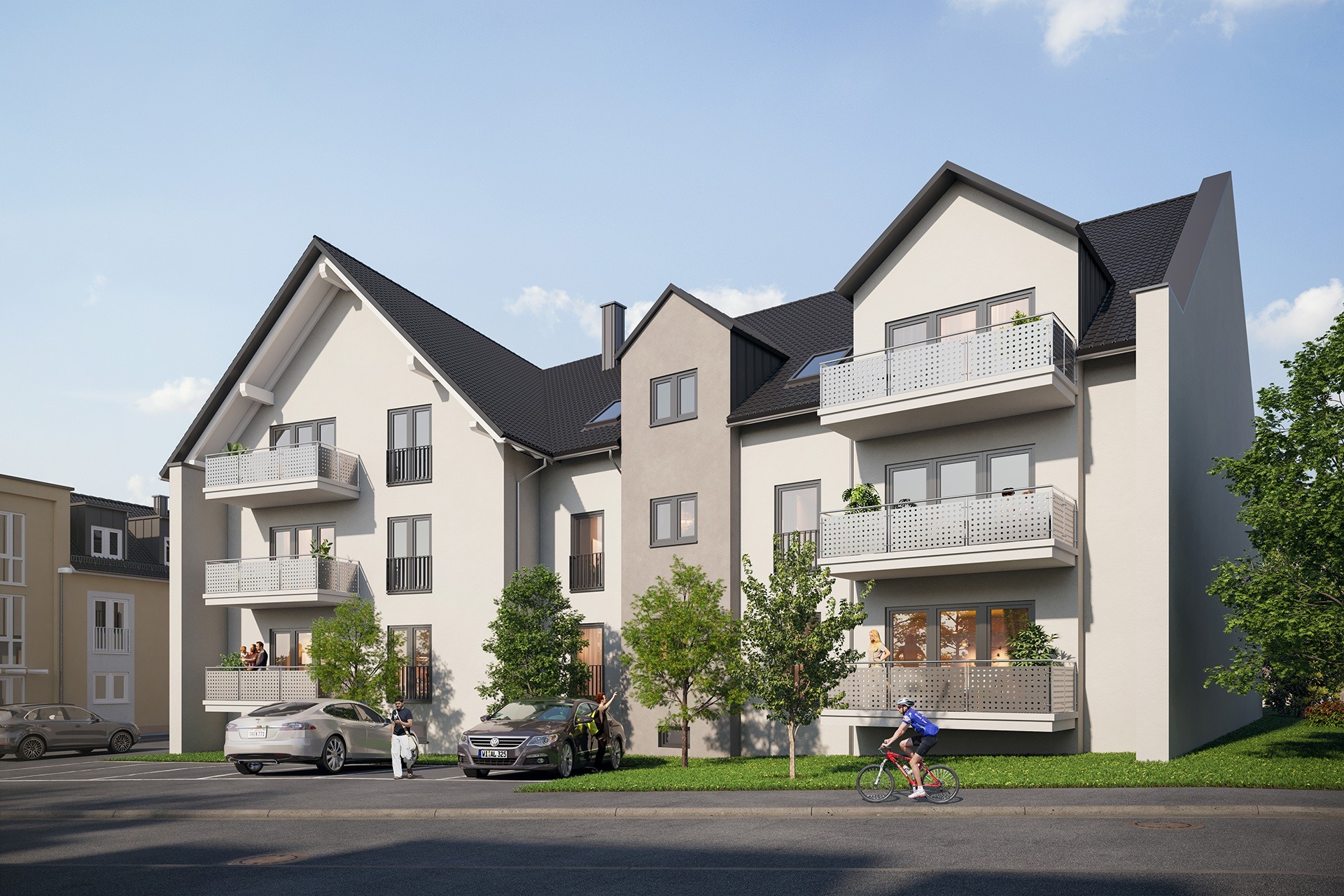
Multi-Family House Architecture Visualization Aschaffenburg Modern living in Aschaffenburg-Damm, Haidstrasse 45A family-friendly, open and interestingly designed residential complex with 11
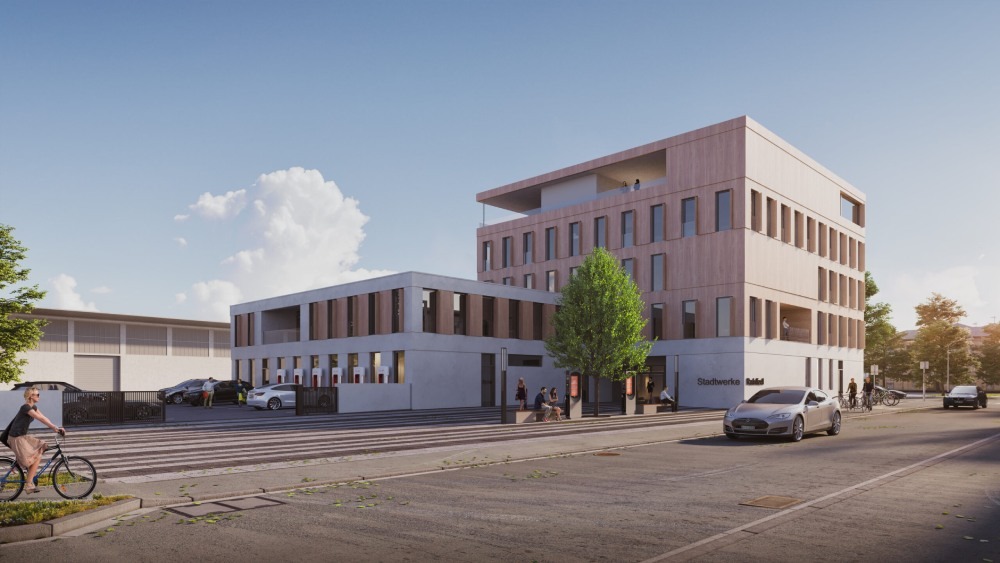
Visualization Architecture tender Radolfzell We are particularly pleased with the competition visualization for the new business building of the Radolfzell